
Classification of muon tracks from charmonium decays and pion tracks in the model of the SPD detector using neural networks
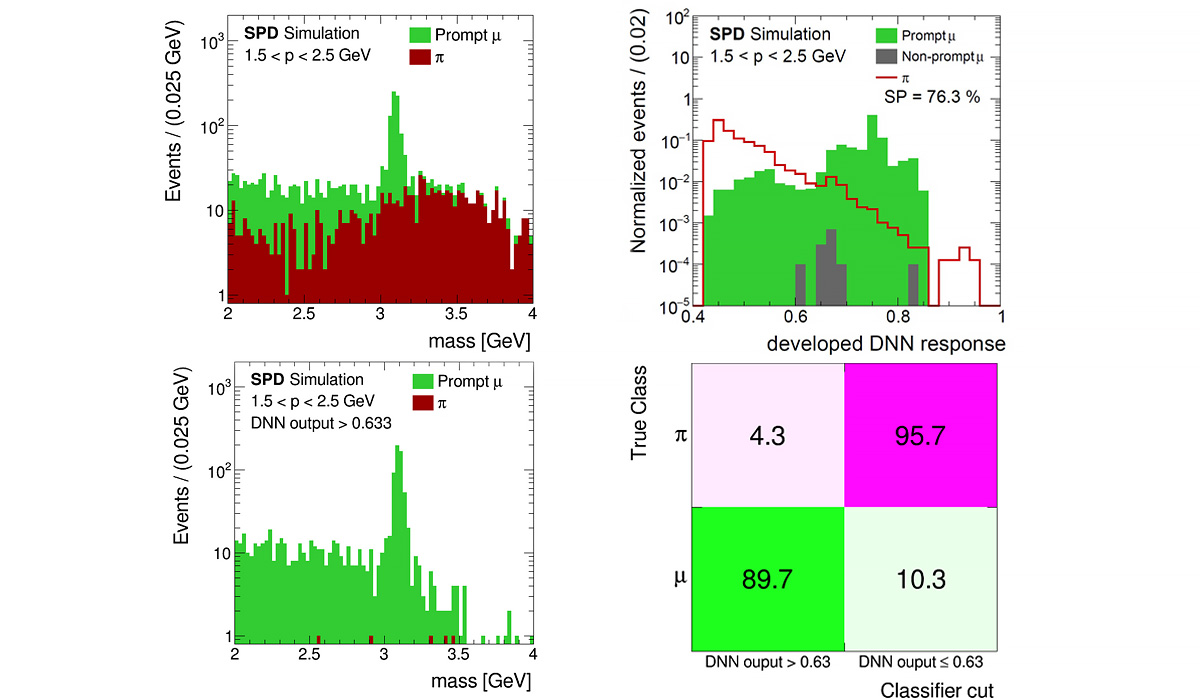
The Machine Learning (ML) approaches were applied to particle identification in the simulation of the Spin Physics Detector (SPD) at the NICA Collider. The results of the identification of muon tracks originating from charmonia decays and pion tracks in the intermediate momenta region (1.5–2.5 GeV/c) are presented. The obtained classifier accuracy is 77% while preserving 99% of muons and rejecting 48% of pions. The efficiency of developed binary classifier is demonstrated through background suppression in J/ψ → µµ decays.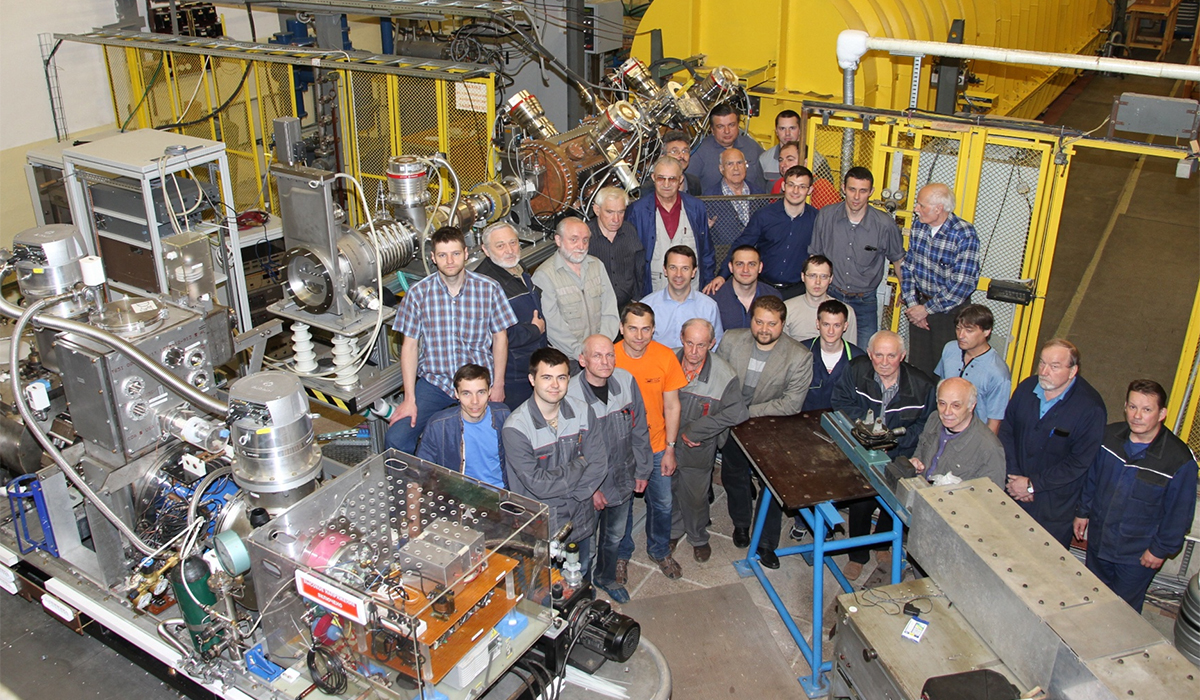
Synchrophasotron and Nuclotron Equipment for Investigation of Polarization Phenomena
The development of the unique cryogenic source of polarized deuterons, POLARIS, in the late 1970s was very fruitful and significantly enhanced JINR’s instrumental base for studies of nucleon-nucleon interactions as well as interactions of lightest nuclei with heavier nuclei. Experimental data on polarization-dependent effects, obtained at the Synchrophasotron and the Nuclotron, significantly influenced the worldwide understanding of strong interactions between hadrons as well as the structure of lightest nuclei (the deuteron, first of all) at short inter-nucleon distances. Experiments with polarized deuteron, proton and neutron beams at intermediate (several GeV) energies resulted in creation of wide collaborations between VBLHEP of JINR and other world centers (in the USSR and Russia, France, the USA, Germany, Japan, China). Many new and unexpected experimental results were obtained by those collaborations. In particular, many new unique results were obtained for the nucleon electromagnetic formfactors of nucleons, thanks to results of works within the ALPOM/ALPOM2 project. In addition, new ways became opened for experimental investigations with polarized 3 He beams. In this direction, new unique results were obtained. The necessary developments of the techniques for the spin program at the Nuclotron/NICA are discussed in the paper.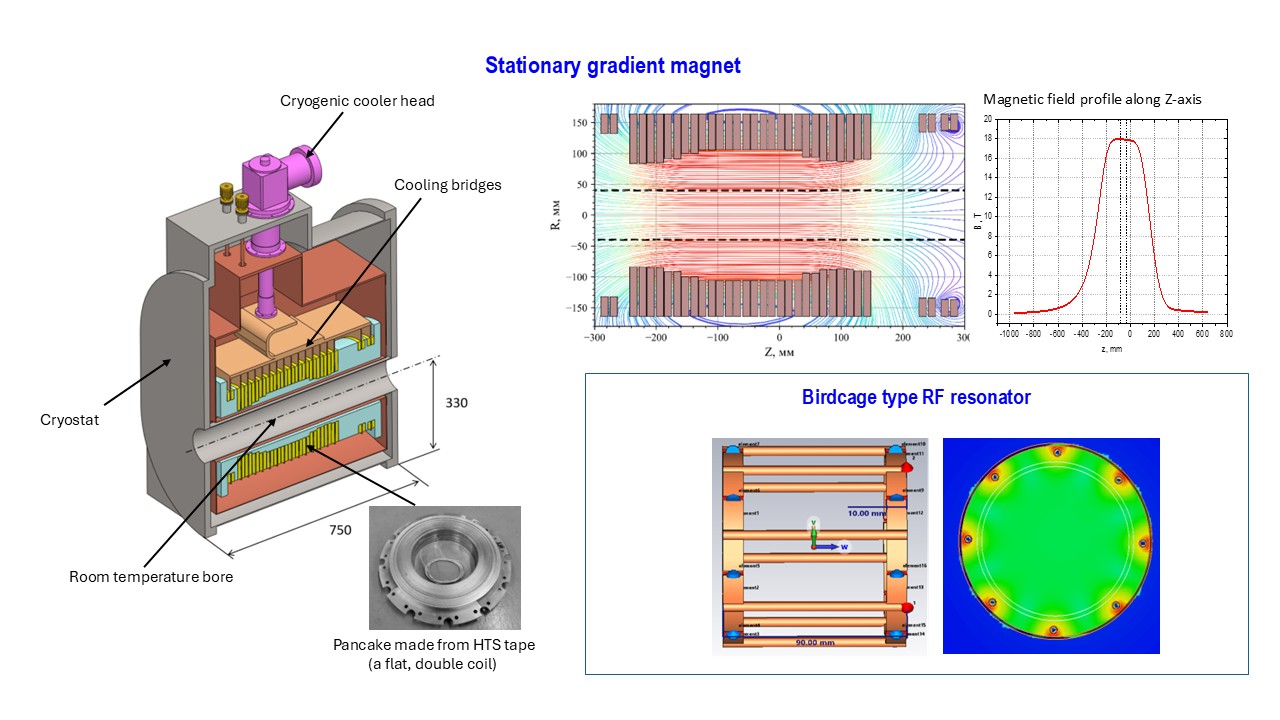
The concept of a superconducting spin flipper – neutron decelerator for a UCN source at a pulsed reactor
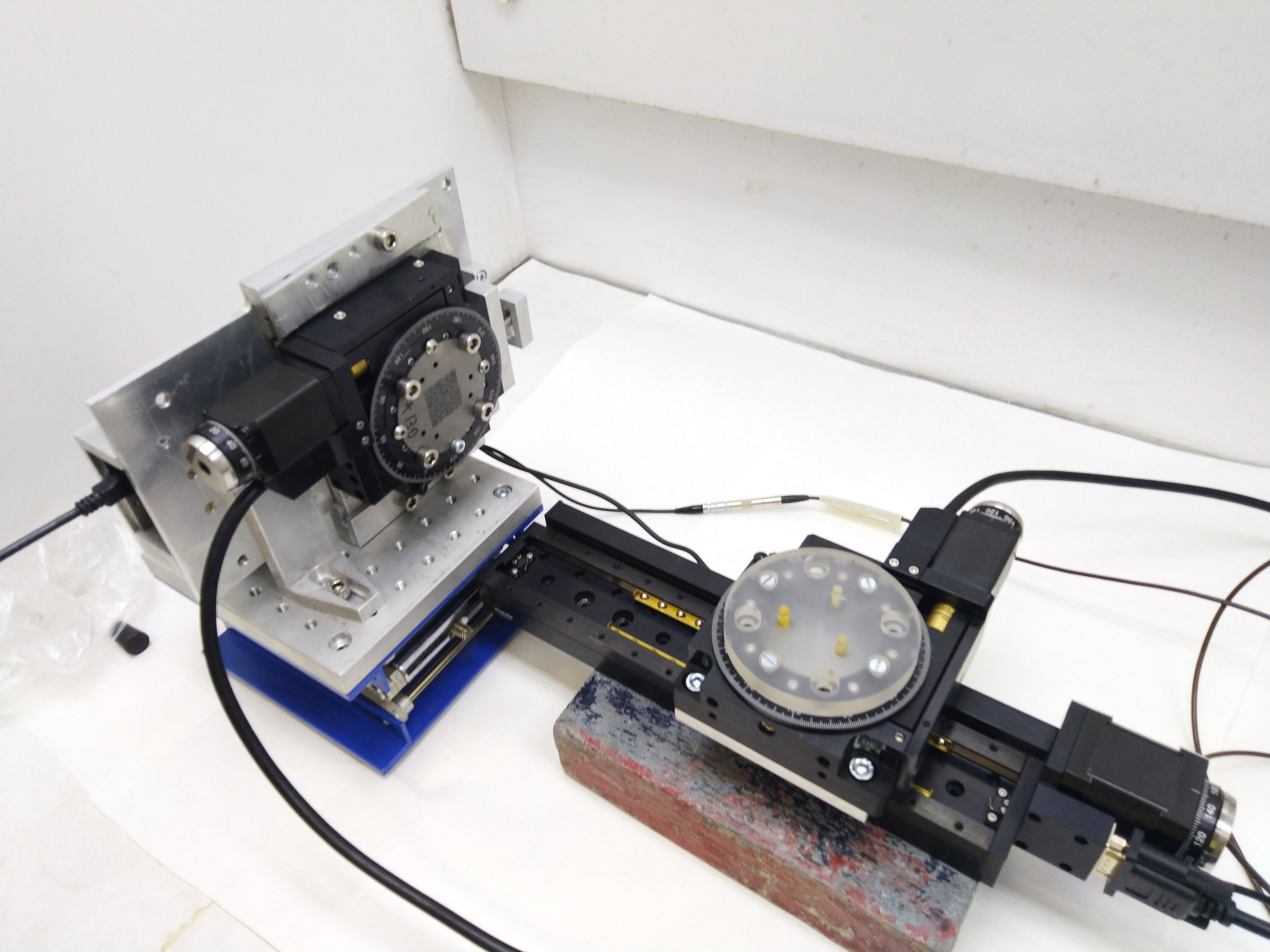
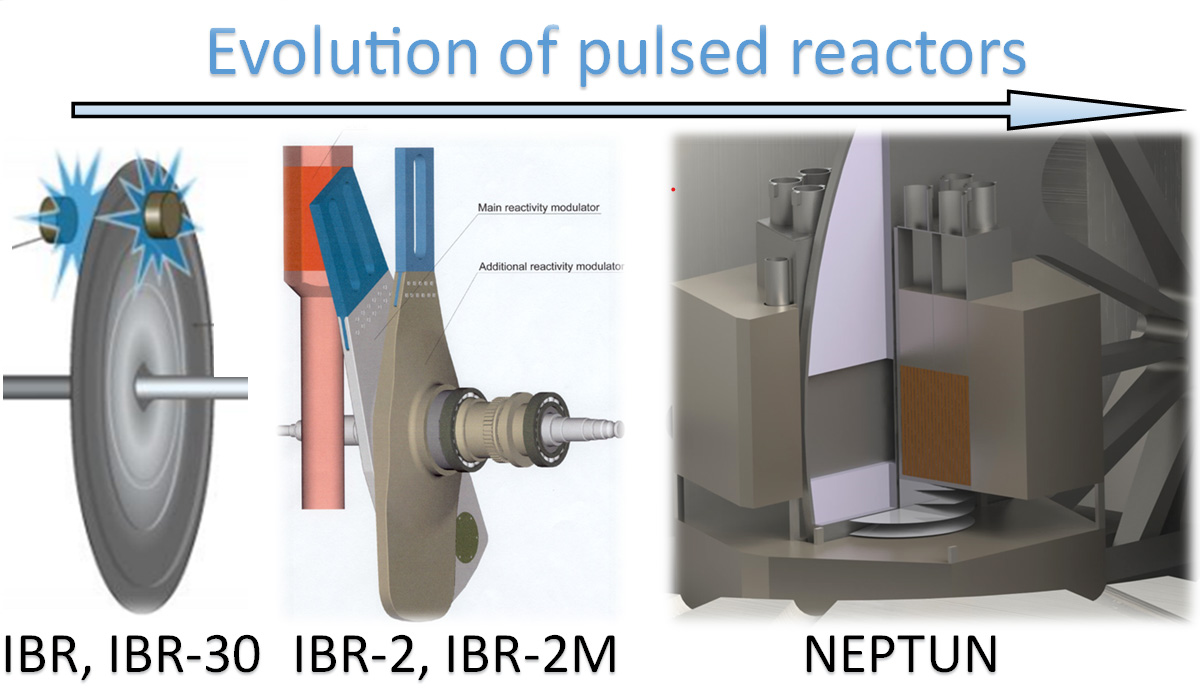
The work is devoted to the development of a conceptual design for a gradient spin flipper — neutron decelerator, which is the main component of a designed UCN source for a pulsed reactor. In close cooperation between the JINR group and SuperOx, a preliminary design of a stationary gradient magnet for the adiabatic spin flipper has been developed. A thorough calculation of the magnetic field configuration has been performed. The movement of neutrons in the magnetic field generated by the designed magnetic system has been simulated, and the deceleration time of neutrons in the spin flipper has been analyzed. The results obtained give grounds for hope that the idea of creating a UCN source based on pulsed accumulation in a trap using non-stationary neutron deceleration is feasible.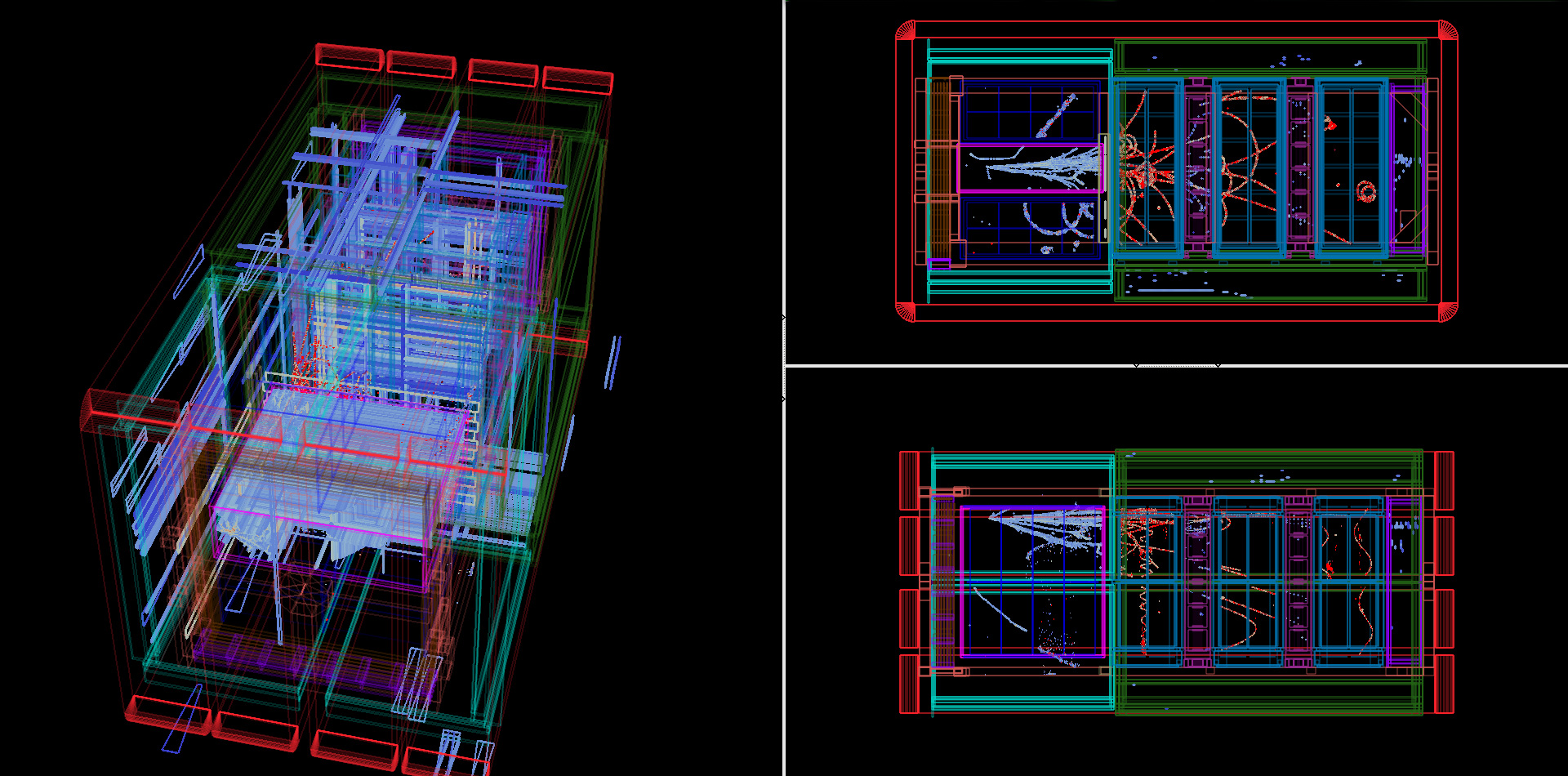
3D segmented neutrino detector SuperFGD
The near neutrino detector ND280 of the long-baseline accelerator experiment T2K has been upgraded to improve the precision of measurement of the neutrino oscillation parameters. A key component of the upgrade is a novel segmented plastic scintillator detector, Super Fine Grained Detector (SuperFGD), made of approximately 2 million optically isolated 1 cm 3 cubes read out by three orthogonal wavelength-shifting fibres and multi-pixel photon counters. The SuperFGD provides 3D images of neutrino interactions by tracking the final-state charged particles including protons down to a threshold of about 300 MeV/c. Due to the fine segmentation and the sub-nanosecond time resolution, the SuperFGD is able to detect neutrons from neutrino interactions and to reconstruct their kinetic energy by measuring the time of flight. In this paper, the details of the detector design, construction and performance in the T2K neutrino beam are described.