

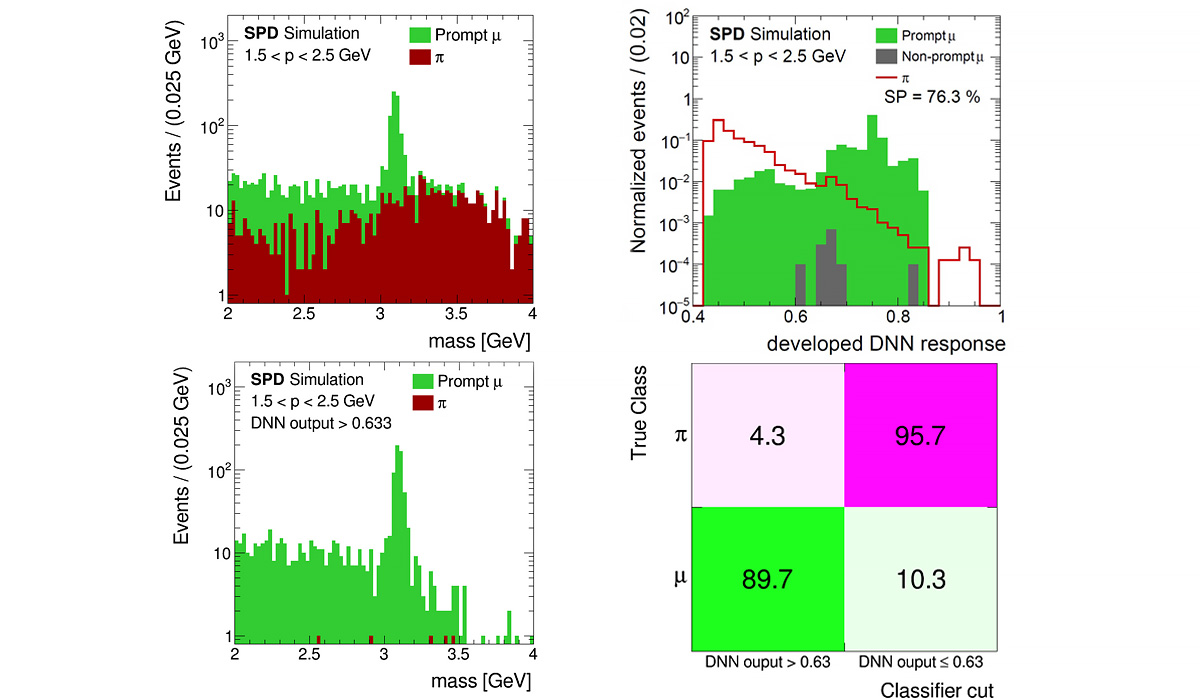
The Machine Learning (ML) approaches were applied to particle identification in the simulation of the Spin Physics Detector (SPD) at the NICA Collider. The results of the identification of muon tracks originating from charmonia decays and pion tracks in the intermediate momenta region (1.5–2.5 GeV/c) are presented. The obtained classifier accuracy is 77% while preserving 99% of muons and rejecting 48% of pions. The efficiency of developed binary classifier is demonstrated through background suppression in J/ψ → µµ decays.
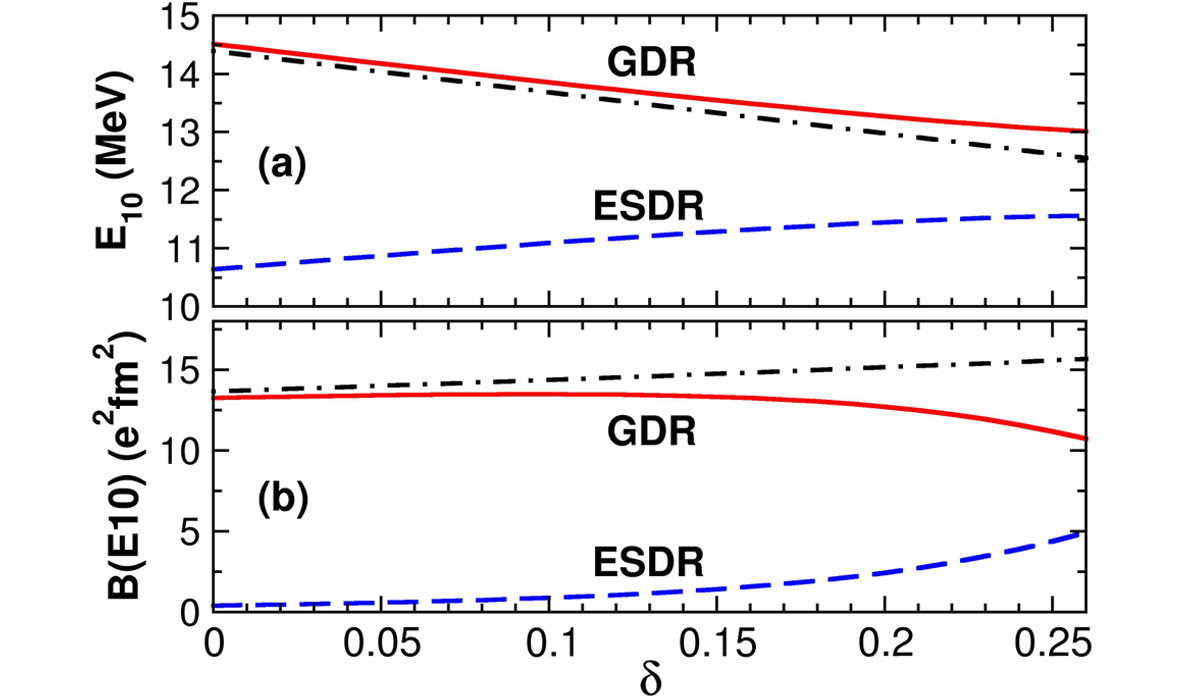
The time-dependent Hartree–Fock equation is solved by the Wigner function moments method taking into account spin degrees of freedom. Energies and reduced transition probabilities of Kπ = 0−, 1− and 2− excitations are calculated taking 164Dy as an example. The spin degrees of freedom give rise to the electric spin dipole resonance. Its properties and interplay with the giant dipole resonance are investigated. The deformation-induced splitting of the spin M2 resonance is discussed. The results of calculations are compared with the experimental data and other theoretical studies.
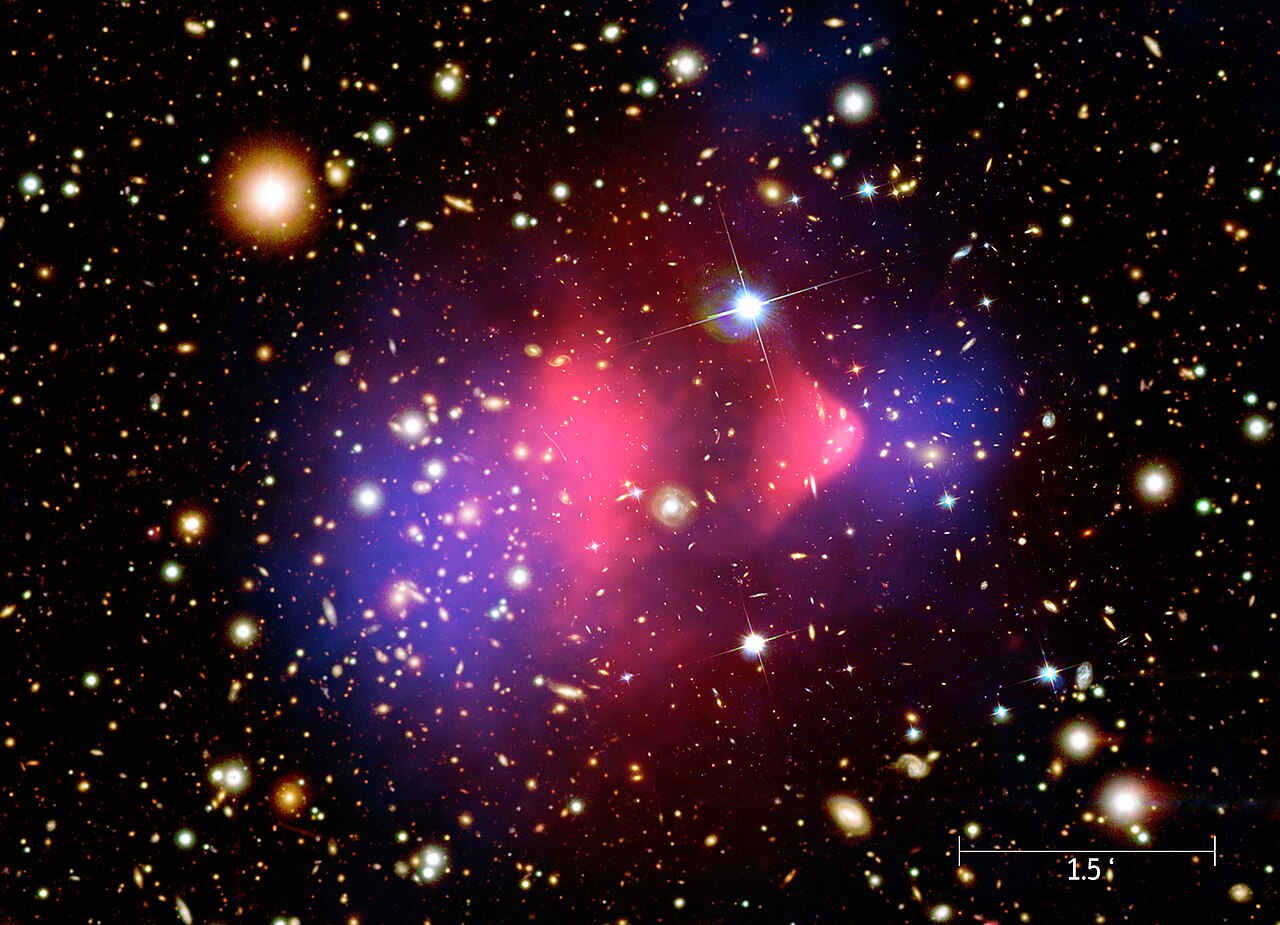
To ensure anomaly cancellation, the E6 inspired U(1) extensions of the Minimal Supersymmetric (SUSY) Standard Model (MSSM) involve extra exotic matter. The lightest exotic neutralino in these models can be stable contributing to the cold dark matter density. We consider the interactions of such neutralino with nucleons within a specific extension of the MSSM with an additional U(1)N gauge symmetry (SE6SSM). The constraints on the couplings of this state, which are set by the present experimental bounds caused by the direct detection experiments, are examined. The obtained results can be generalised to other E6 inspired SUSY models with extra U(1) gauge symmetry.
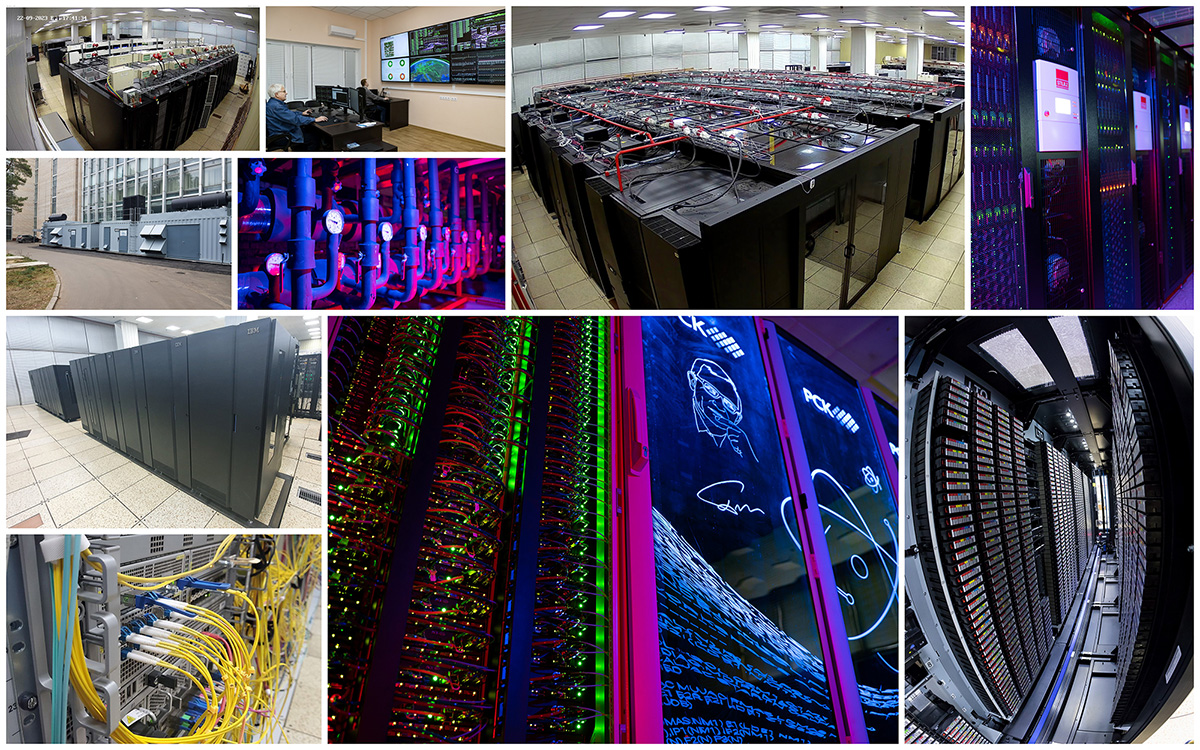
The Multifunctional Information and Computing Complex (MICC) of the JINR Meshcheryakov Laboratory of Information Technologies (MLIT) is a key element of the JINR network and information and computing infrastructures. The MICC is regarded as JINR’s unique basic facility and plays a decisive role in scientific research, which entails advanced computing power and storage systems. Its uniqueness is ensured by the consolidation of all state-of-the-art information technologies for data processing and storage, united by the network infrastructure with a bandwidth of up to 4 × 100 Gbps. It consists of distributed data processing and storage systems based on both grid and cloud technologies and the hyperconverged computing infrastructure with liquid cooling. Multifunctionality, high reliability, and availability in 24 × 7 × 365 mode, scalability and high performance, information security and an advanced software environment are the main requirements that the MICC meets. The reliability and availability are ensured by the enhanced high-speed telecommunication system and the modern local network infrastructure, as well as by the reliable engineering infrastructure that provides guaranteed power supply and cooling for server hardware. This infrastructure is a staple for computing the experiments at the NICA accelerator complex. The BM@N, MPD, and SPD experiments intensively use all computational components and storage systems. Being part of the Worldwide LHC Computing Grid, the MICC serves as the Tier1 grid site for the CMS experiment at the LHC and as the Tier2 grid site that provides support for the experiments at the LHC and other world’s large-scale experiments in high-energy physics. The integrated cloud environment of the JINR Member States focuses on supporting users and experiments in Russia, China, the USA, etc. (e.g., NICA, NOvA, BaikalGVD, JUNO). The HybriLIT platform comprising the Govorun supercomputer provides capabilities for elaborating mathematical models and algorithms and performing resource-intensive computations, including on graphics accelerators that enable the development of the ecosystem for machine and deep learning tasks, Big Data analysis, and quantum computing on simulators.
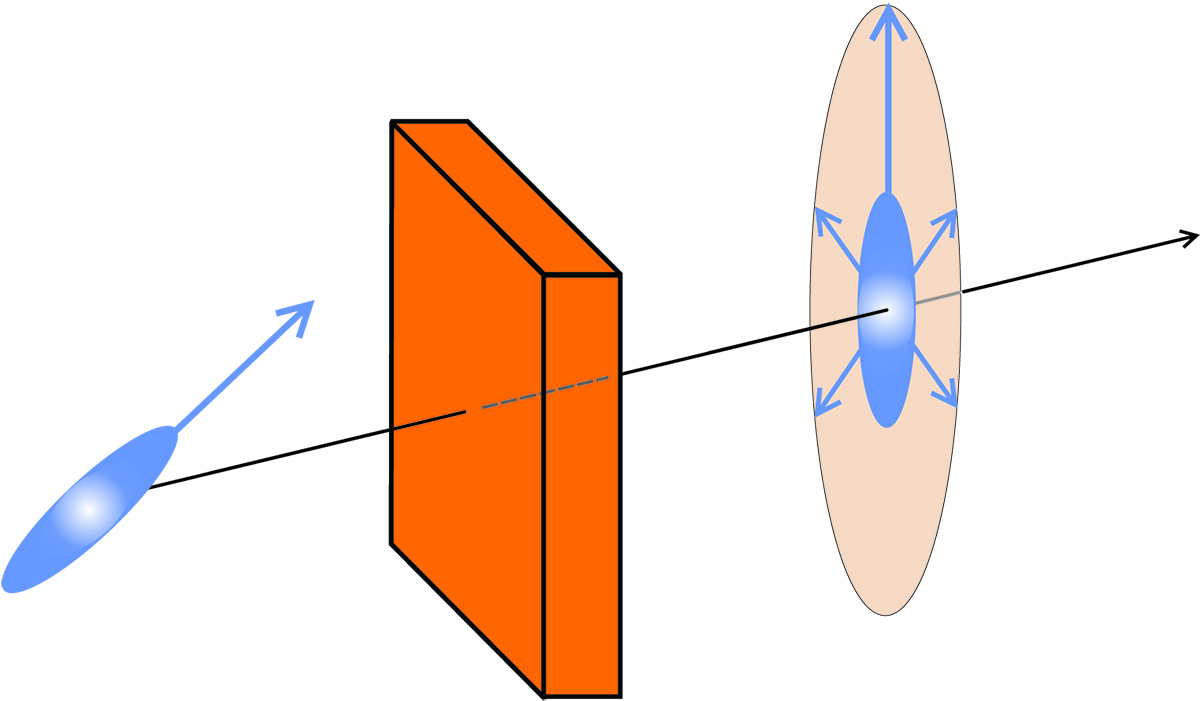
Refracton of particles (nucleons, nuclei, γ-quanta) in matter with polarized protons (nuclei) results in revealing coherent quasi-optical phenomenon of nuclear spin precession of particles (nuclei) in the pseudomagnetic field of matter with polarized spins and the phenomenon of birefringence of particles (nuclei) with spin S ⩾ 1. These phenomena can be observed and studied at the Nuclotron-M/NICA complex. The similar effects for γ-quanta could be observed at the LINAC accelerator.Quasi-optical coherent phenomena of spin rotation and dichroism are not caused by strong interactions only, the T-odd P-odd, T-odd P-even, and T-even P-odd interactions also contribute. Limits on the values of these contributions at the energies available at the Nuclotron-M/NICA complex can be obtained by investigating all these phenomena. When studying polarized particle collisions, it is necessary to consider possible influences of quasi-optical phenomena of spin rotation and spin dichroism caused by nuclear precession and birefringence.
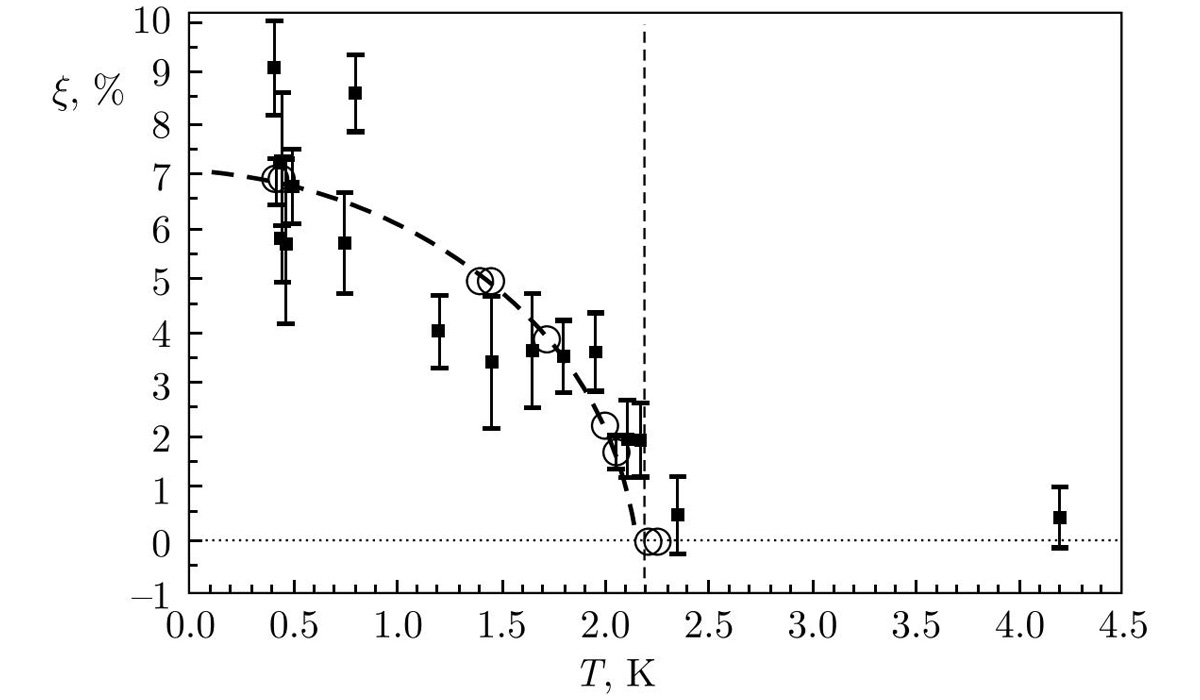
This short review is devoted to the celebration of two major events in quantum physics. The first one is the birth of the concept of Bose–Einstein condensation (1925) and the second is the experimental proof that it does exist and appears in liquid 4He simultaneously with superfluidity below the λ-point (1975).
Both of these events are tightly related to the Bogoliubov theory of superfluidity (1947). The existence of condensate in the system of interacting bosons is the key ansatz of this theory. Therefore, the experiments started at JINR-Dubna in 1975 confirmed this prediction of the Bogoliubov theory that superfluidity of liquid 4He (He II) should emerge at the same time as the Bose–Einstein condensation.
Corrected:
13 November 2025 (the captions to Figures 1 and 2 were changed)
26 November 2025 (changes were made in formulas (53) and (55))
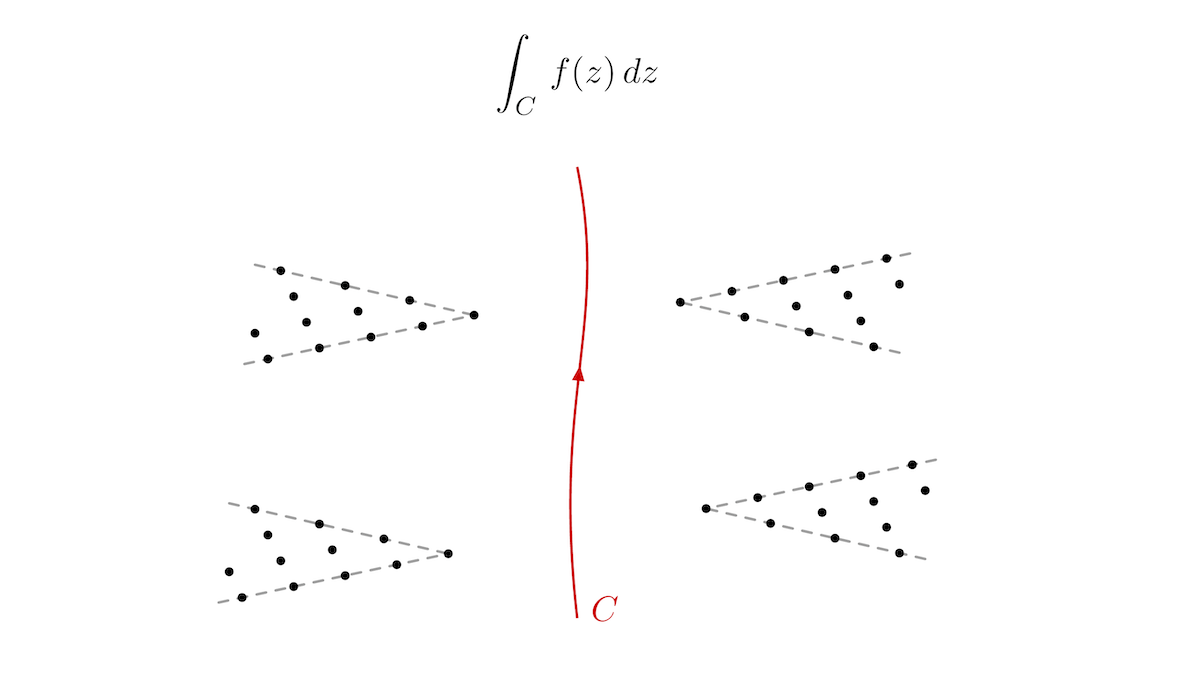
We consider a complex rational degeneration of the hyperbolic Ruijsenaars model emerging in the limit ω1 + ω2 → 0 (or b → i in 2d CFT) and investigate the two-particle case in detail. Corresponding wave functions are described by complex hypergeometric functions in the Mellin–Barnes representation. Their dual integral representation and reflection symmetry in the coupling constant are established. Besides, a complex limit of the hyperbolic Baxter Q-operators is considered. Another complex degeneration of the hyperbolic Ruijsenaars model is obtained by taking a special ω1 − ω2 → 0 (or b → 1) limit. Additionally, two new degenerations to the complex Calogero–Sutherland type models are described.
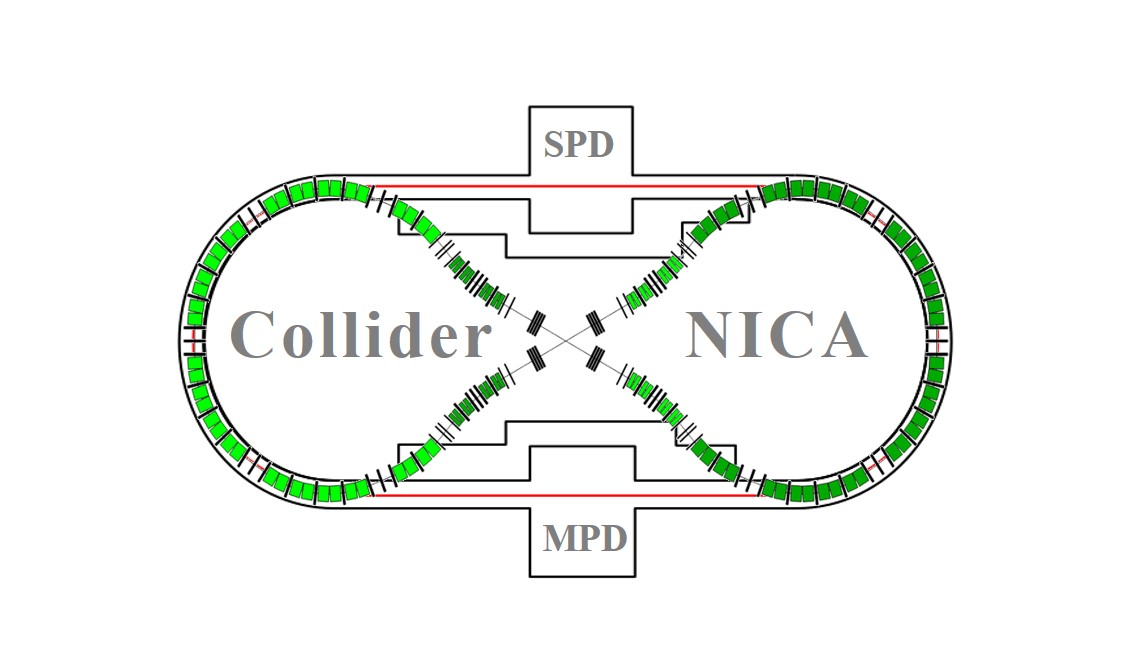
The paper considers a possibility to use the figure-8 synchrotron as a replacement of the Nuclotron for acceleration of polarized proton and deuteron beams at the NICA accelerator complex. The synchrotron arcs are placed inside the NICA collider tunnel. The presented design enables preservation of polarization for any ion species (p, d, 3He, etc.) in the entire energy range of the synchrotron. Because of its shape, the ring operates in the spin transparency mode. The direction of polarization is controlled by a spin navigator which uses weak solenoidal fields. The synchrotron can also be used as a storage ring for high precision experiments with polarized beams beyond its use as an injector to the collider. The results of numerical simulations of spin dynamics for acceleration of protons and deuterons are presented.
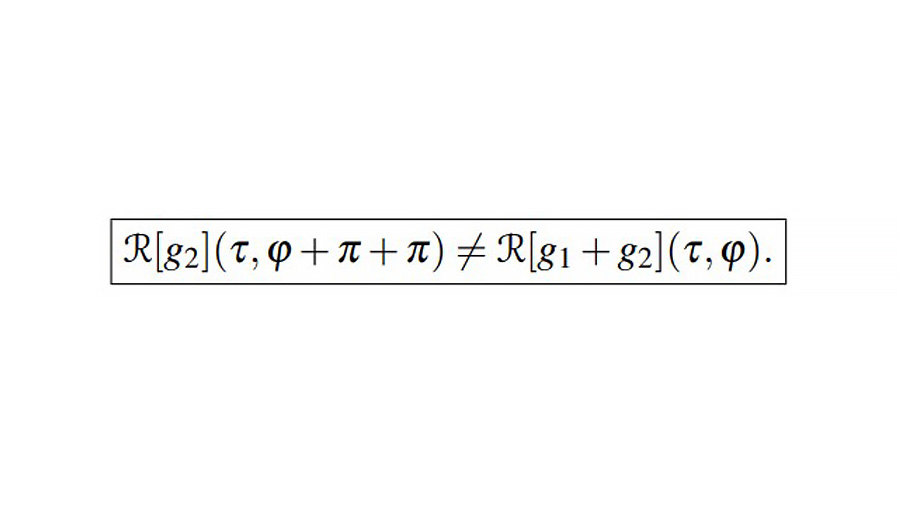
For the reconstruction problem, the universal representation of inverse Radon transforms implies the needed complexity of the direct Radon transforms which leads to additional contributions. In the standard theory of generalized functions, if the outset (origin) function which generates the Radon image is a pure-real function, as a rule, the complexity of Radon transforms becomes in question. In the paper, we discuss the Fourier slice theorem analyzing the degenerated (singular) points as possible sources of the complexity. We also demonstrate different methods to generate the needed complexity at the intermediate stage of calculations. Besides, we show that the introduction of the hybrid (Wigner-like) function ensures naturally the corresponding complexity. The discussed complexity not only provides the additional contribution to the inverse Radon transforms, but also makes an essential impact on the reconstruction and optimization procedures within the framework of the incorrect problems. The presented methods can be effectively used for the practical tasks of reconstruction problems.
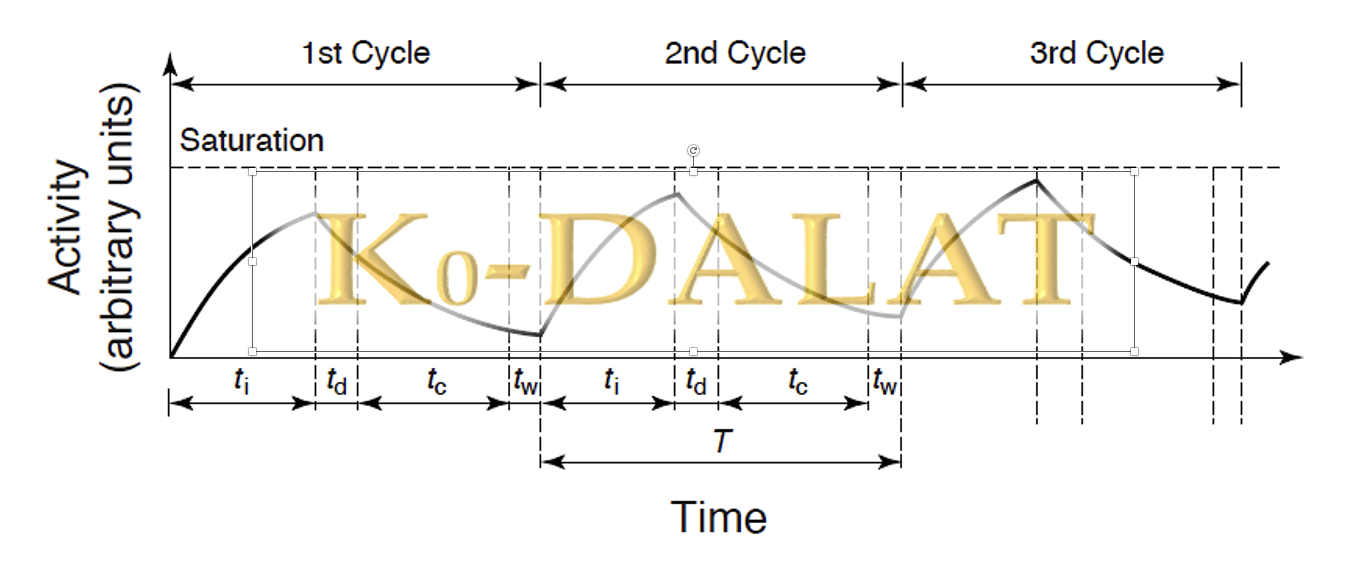
An optimized k0-standardized neutron activation analysis method incorporating cyclic irradiations (k0-CNAA) for short-lived radionuclides (SLRNs) has been developed at the Dalat research reactor. This paper highlights precise reactor parameter characterization using a cyclic irradiation system, simple sample preparation, and advanced calibration of HPGe detector-based gamma-ray spectrometry for SLRNs’ rapid multielement determination. By targeting SLRNs such as 77mSe, 110Ag, 20F, 179mHf, 52V, and 46mSc, with half-lives from seconds to minutes, the method enables quantification of elements essential for biological and environmental research. The in-house developed “k0-Dalat” software, featuring high automation, supports complete analysis. Method accuracy was validated using certified reference materials (SMELS-I, NIST-SRM-1566b, NIST-SRM-2711a), achieving deviations under 8% from certified values. Detection limits ranged from 0.1 to 1.9 mg/kg for target elements in biological samples, confirming the method’s high sensitivity and suitability for similar matrices.
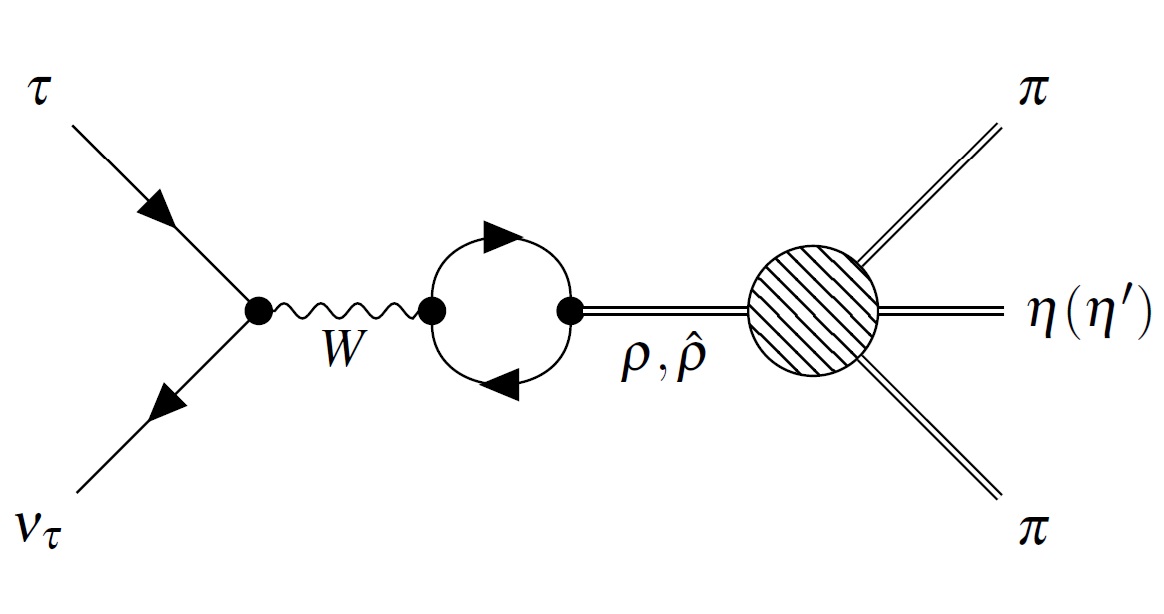
In the framework of the extended Nambu–Jona-Lasinio model, the processes τ → ππη(η′)ντ and τ → πηη(η′)ντ are considered taking into account mesons in the ground and first radially excited intermediate states. It is shown that in the processes τ → ππη(η′)ντ the vector channel is dominant, and in the processes τ → πηη(η′)ντ the main contribution is given by the axial-vector channel. The scalar meson a0 plays a dominant role in processes with two η mesons in the final state. The significance of the relative phase between the ground and first radially excited states for these processes is shown. The obtained results for the τ → ππηντ process are in satisfactory agreement with the recent experimental data from BaBar and CMD-3, which differ from the averaged values given in the PDG tables.
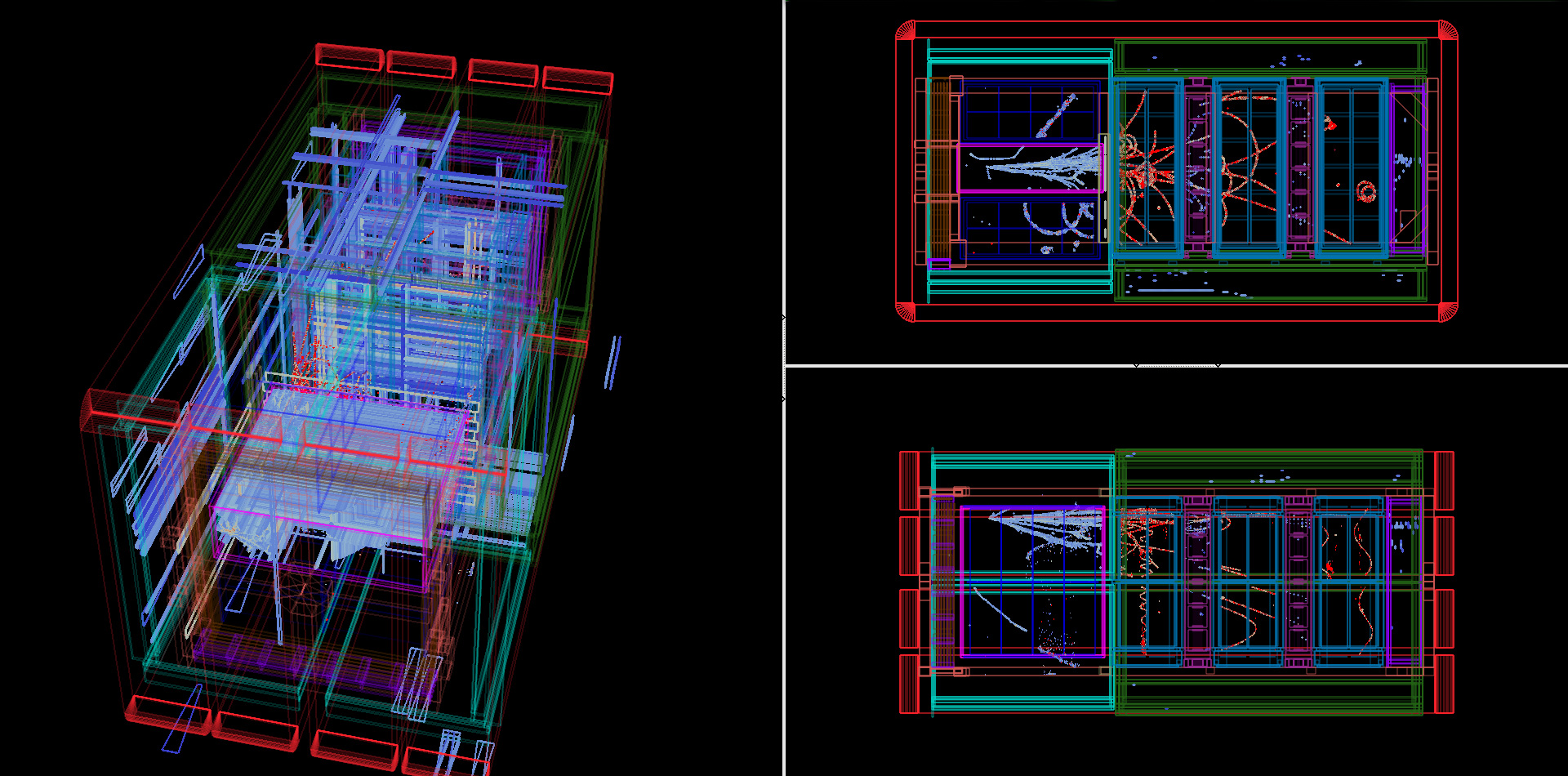
The near neutrino detector ND280 of the long-baseline accelerator experiment T2K has been upgraded to improve the precision of measurement of the neutrino oscillation parameters. A key component of the upgrade is a novel segmented plastic scintillator detector, Super Fine Grained Detector (SuperFGD), made of approximately 2 million optically isolated 1 cm3 cubes read out by three orthogonal wavelength-shifting fibres and multi-pixel photon counters. The SuperFGD provides 3D images of neutrino interactions by tracking the final-state charged particles including protons down to a threshold of about 300 MeV/c. Due to the fine segmentation and the sub-nanosecond time resolution, the SuperFGD is able to detect neutrons from neutrino interactions and to reconstruct their kinetic energy by measuring the time of flight. In this paper, the details of the detector design, construction and performance in the T2K neutrino beam are described.
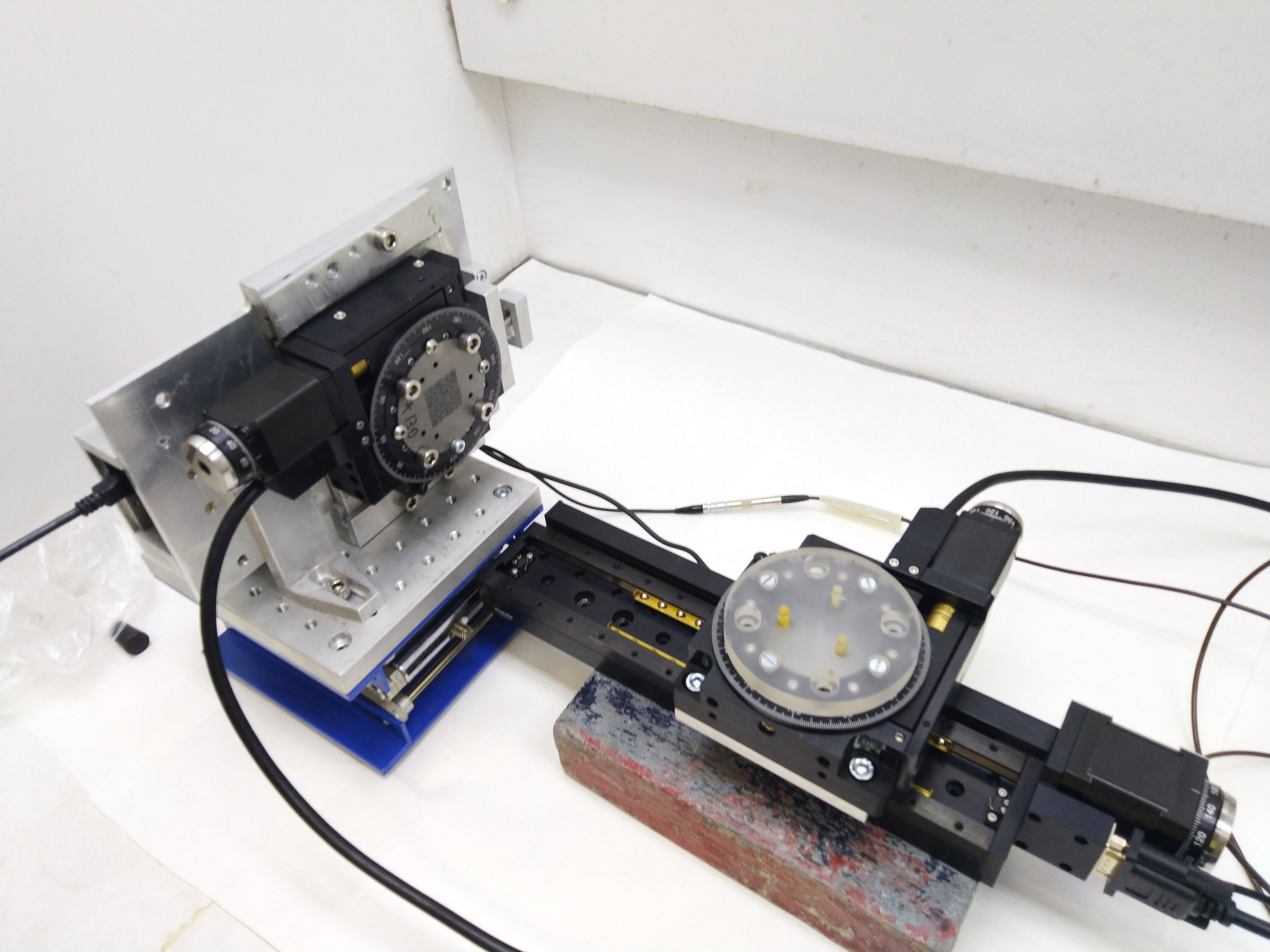
In this work, the characteristics of a prototype SPECT system based on the Timepix readout chip, with a MURA-type encoding mask, were evaluated. The setup has a small FoV and can be used in preclinical studies of drugs on small laboratory animals. Despite many existing test protocols developed and described in pertinent documents of national standard bodies and IAEA recommendations, they are not suitable for microtomographic systems based on semiconductor pixel detectors due to different detector technology, high spatial resolution and small area of interest. To measure their characteristics, special phantoms were developed, with a small “hot region”.
Such micro-SPECT parameters as spatial resolution, contrast, linearity, and system efficiency were studied using 99mTc source. The detector calibration and data preprocessing are described.
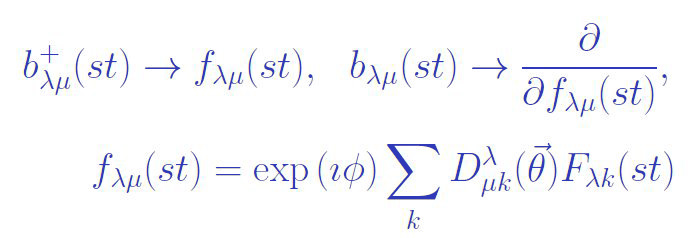
The problem of identifying and extracting the dynamic variables associated with symmetry transformations from the full set of dynamic variables is considered. It is demonstrated that employing a boson representation of bifermion operators enables the problem to be solved using the canonical transformation of dynamic variables proposed by N. N. Bogoliubov. The results obtained justify the application of the cranking model for the description of the rotational excitations of nuclei.
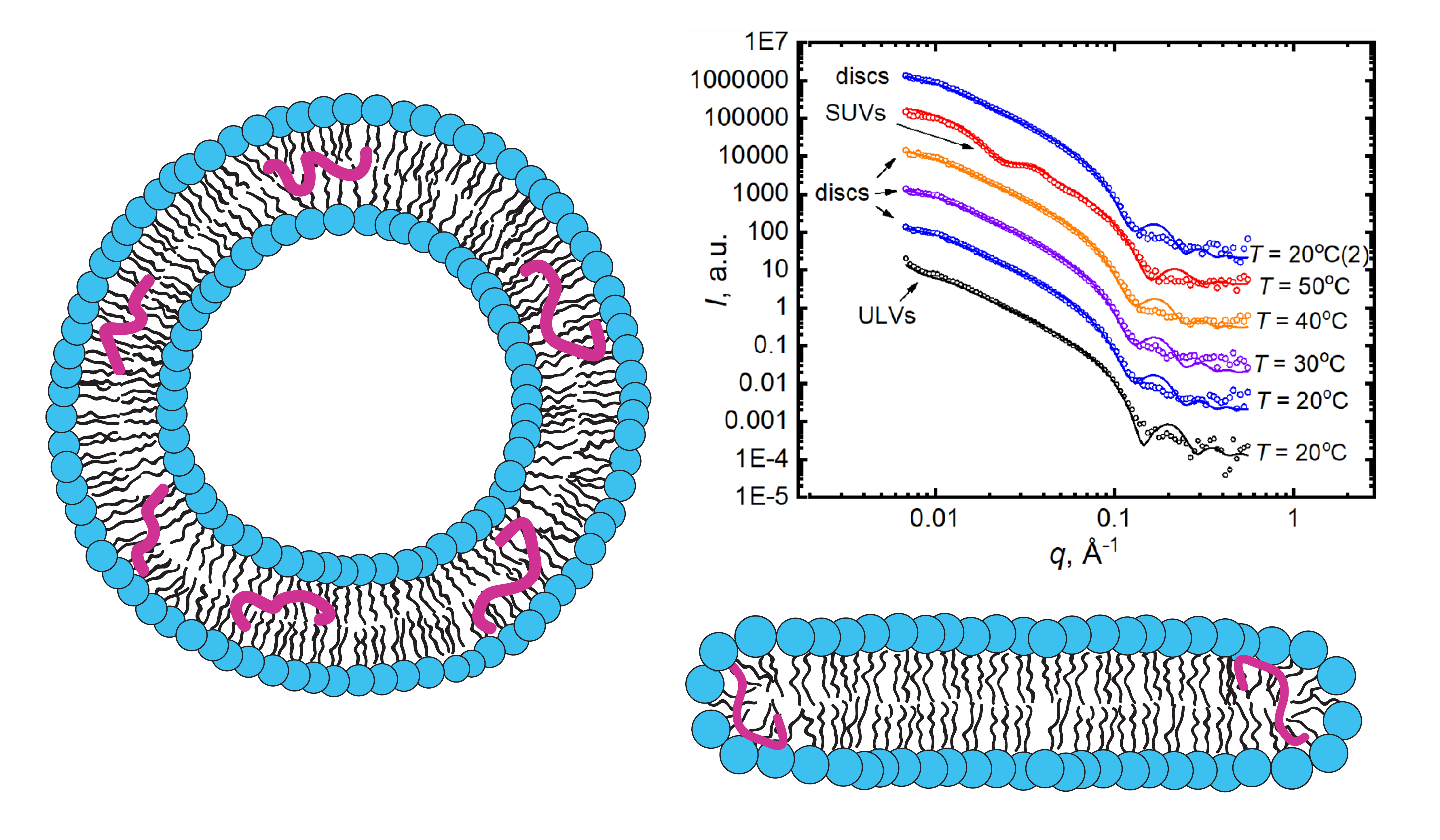
The amyloid-beta peptide (Aβ peptide) is proposed to play a central role in the onset of Alzheimer’s disease (AD). The pathology is associated with the fast accumulation of neurotoxic amyloid aggregates in brain tissues, though the fundamentals of the disease’s progression remain unsolved. It is noted that the preclinical stage of AD may play a crucial role in its further irreversible development. Namely, interactions between lipid membranes and Aβ-peptide molecules incorporated therein at relatively low concentrations should be under a close attention. In this review, we discuss recent works devoted to studying the lipid peptide interactions with a specific focus on the lipid membrane reorganizations caused by Aβ (25–35) peptide in the preclinical AD mimicking conditions. The interactions observed are believed to be important in understanding the mechanisms of the Aβ-peptide destructive effects on lipid membranes and the corresponding onset of the disease. The methods of applied nuclear physics have proven remarkably relevant in such research. The scattering methods provided instrumental information on a level of supramolecular assemblies, while spectrometry allowed obtaining information on the molecular level. Finally, molecular dynamics simulations provided details unachievable by experimental approaches, though the validation role of the latter cannot be undermined. Altogether, the recent advances in research results prove these complementary approaches the most appropriate for tackling the complex issues of biomembrane interactions.
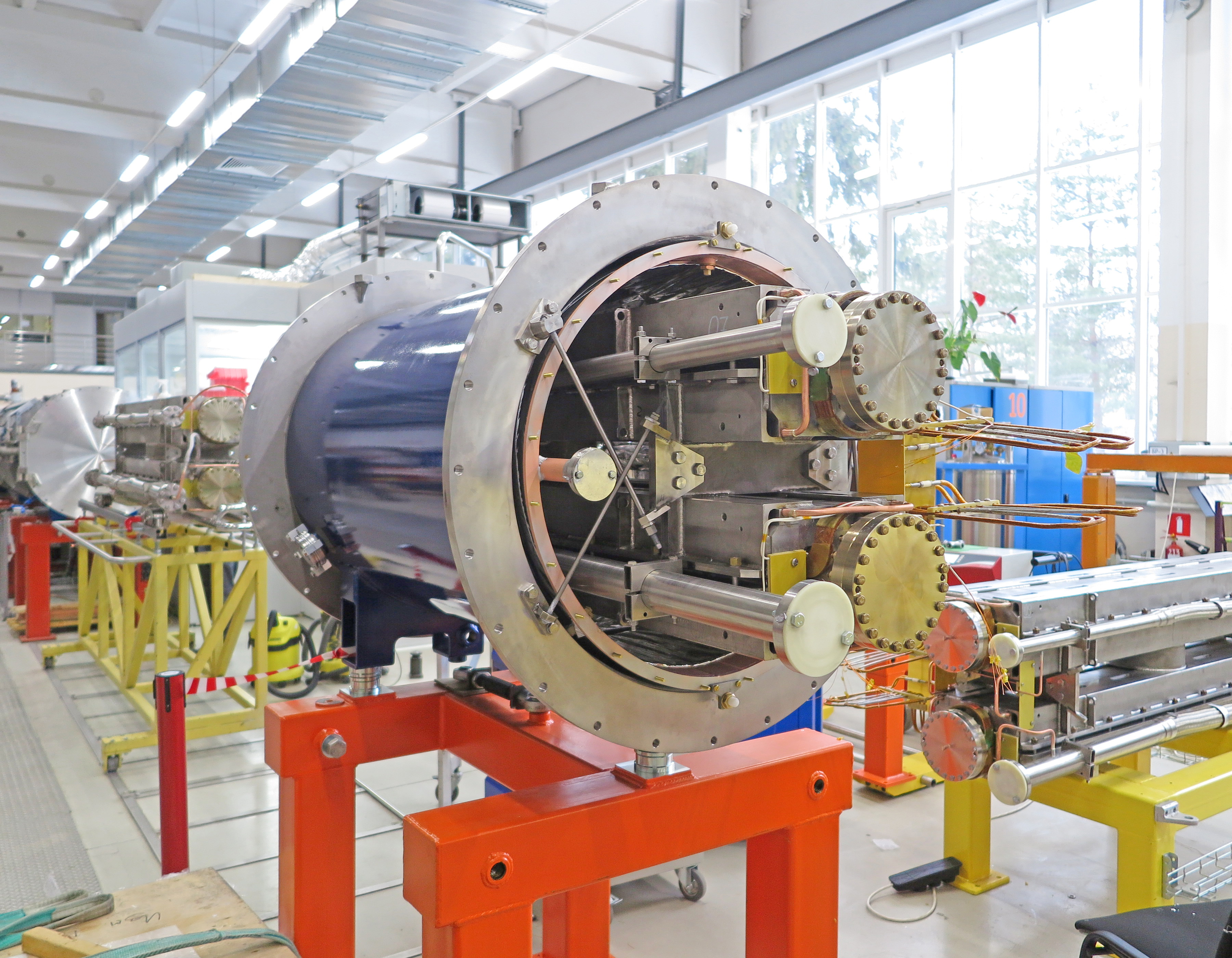
The article presents an overview of the work carried out at the Joint Institute for Nuclear Research in Dubna since the early 1970s aimed at creating superconducting (SC) magnets for charged particle accelerators. The specified studies made it possible to build the world’s first SC heavy-ion fast-cycling synchrotron — the Nuclotron; magnets for the SIS100 synchrotron of the FAIR project; magnetic systems of the SC Booster and collider of the NICA complex. It also resulted in a development of SC winding for magnet of the medical cyclotron for proton therapy MSC-230, a model magnet for the Chinese HIAF collider project with a record (up to 10 T/s) rate of magnetic field change, a 3-MJ energy storage device based on high-temperature superconductor (HTS), and a concept of magnets for the New Nuclotron made of HTS material for operation at a winding temperature of about 50 K.
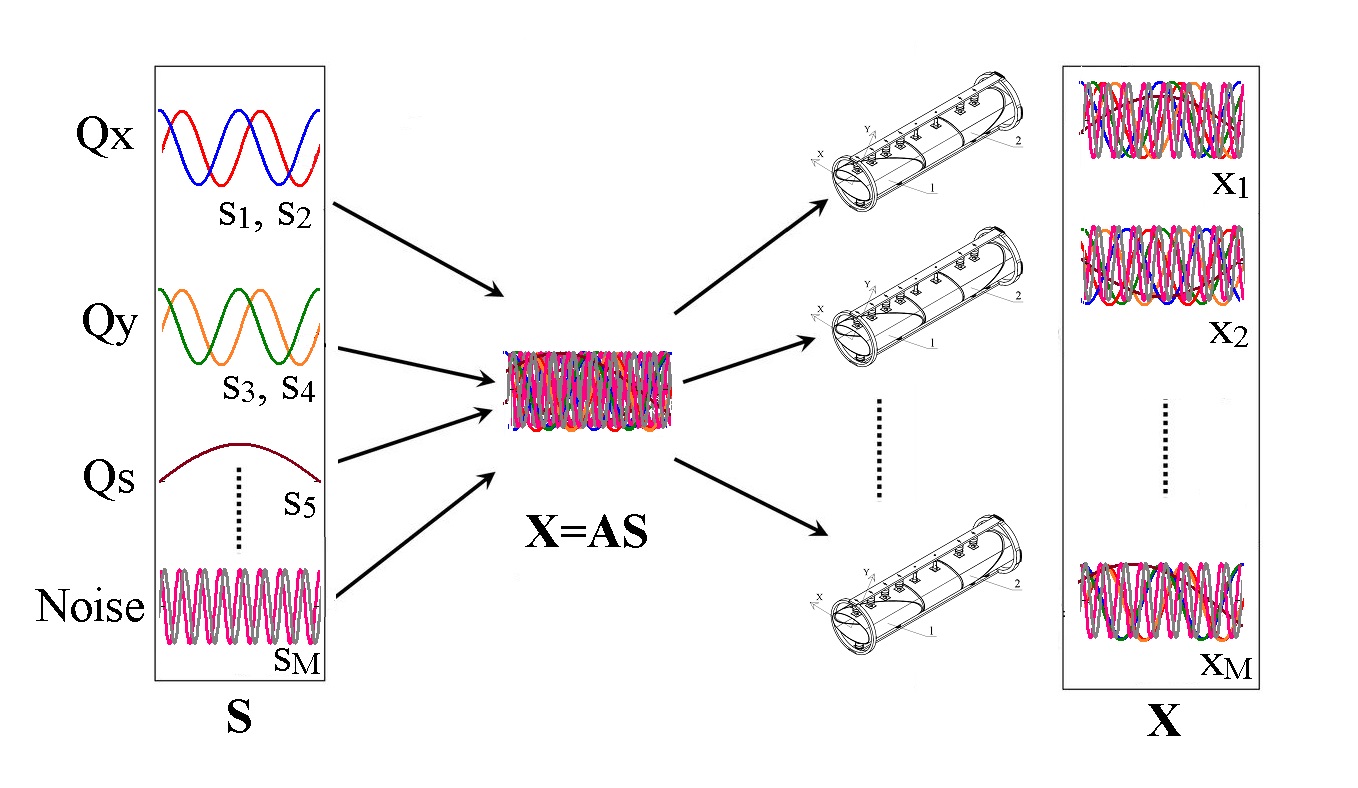
The accelerator complex NICA is at the stage of assembling and commissioning. A series of successful runs at the injection complex were carried out using various types of ions. It is planned to continue the linear optics measurements at booster synchrotron, for which several methods are considered. The first one is based on the analysis of turn-by-turn data of the beam orbit going from beam position monitors. The independent component analysis is used for the data processing and results to computation of betatron and synchrotron tunes, beta-functions, phase advances and dispersions. Other methods use orbit response matrix measured with alternate kicks by dipole correctors. Accuracy of optics restoration depends on the technical feasibility of betatron tunes and orbit measurements. Various methods should be firstly accommodated to the accelerator and tested using computational model in order to conclude their potentials and form requirements for future experiments with the beam. The paper describes implementation of independent component analysis to the computer model of the NICA Booster.
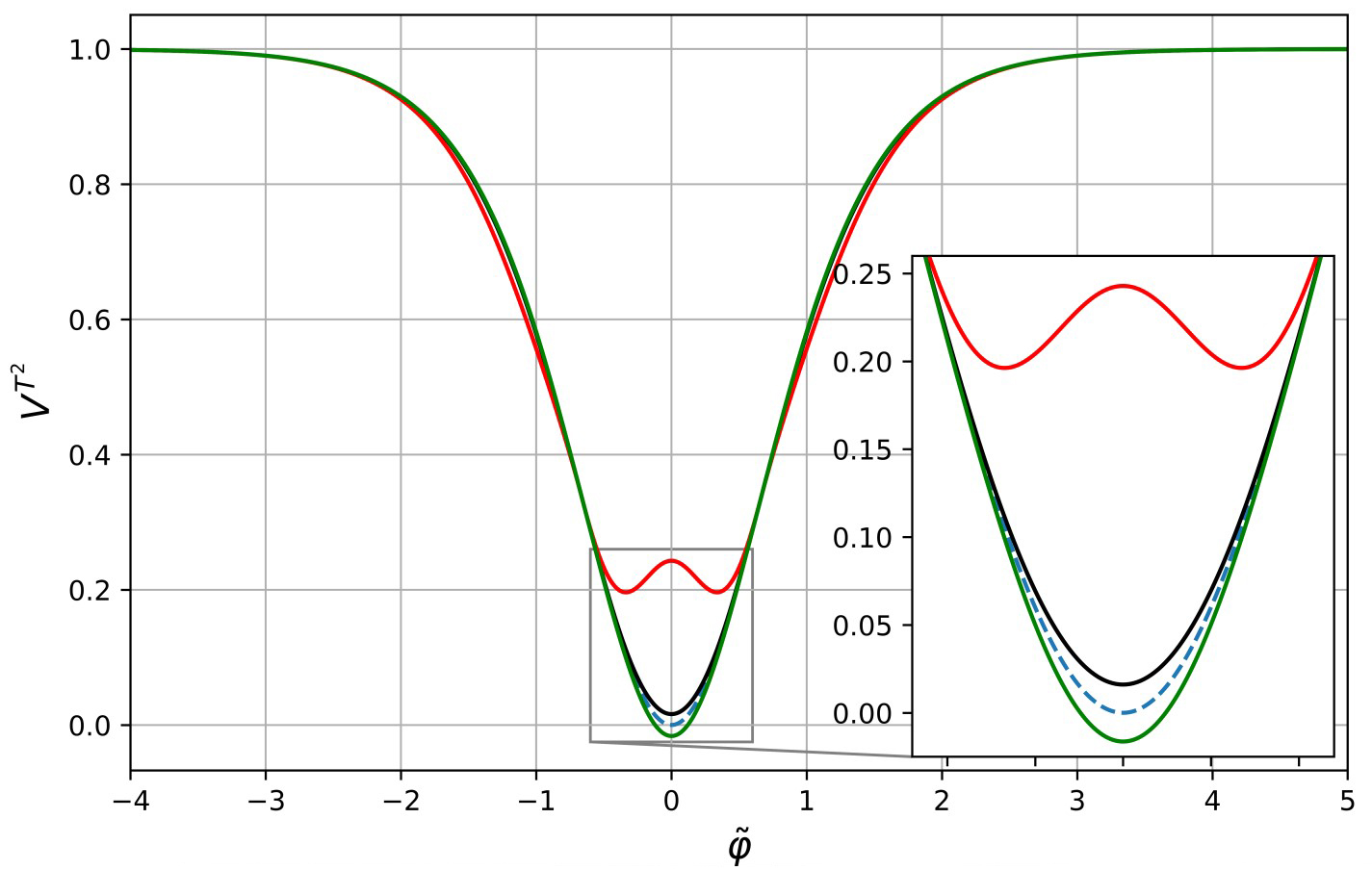
Using the generalized renormalisation group formalism, we calculate quantum corrections to the effective potential in α-attractor models describing the inflationary stage of the Universe evolution. We demonstrate that quantum corrections lead to a change in the initial classical potential, changing its value at the minimum, which can be interpreted as a manifestation of the cosmological constant or dark energy.