
Methodology, applications, and results of dielectric track detectors in heavy nuclei identification
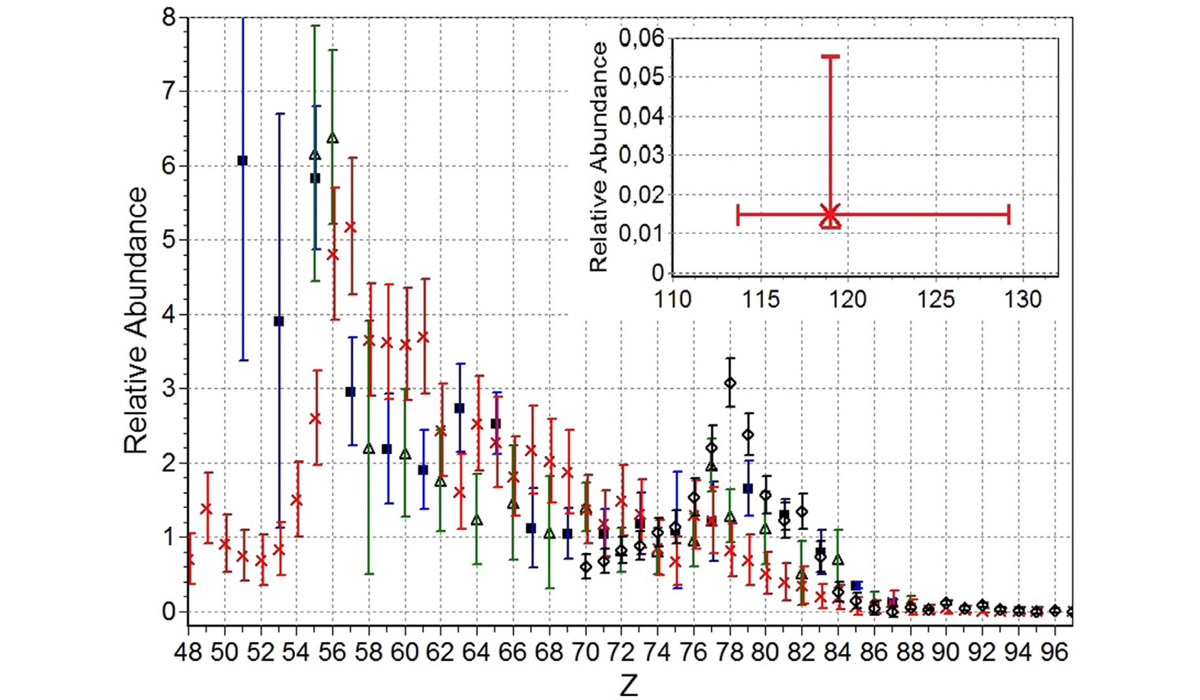
The results of the research partnership between the Flerov Laboratory of Nuclear Reactions of the Joint Institute for Nuclear Research (FLNR JINR) and the Laboratory of Fundamental Particles of the Lebedev Physical Institute (LFP LPI) are presented. The publication focuses on two areas: the search for tracks of superheavy nuclei in pallasite meteorites (OLIMPIYA experiment) and testing of various dielectric materials (glasses and micas) as detectors of heavy charged particles.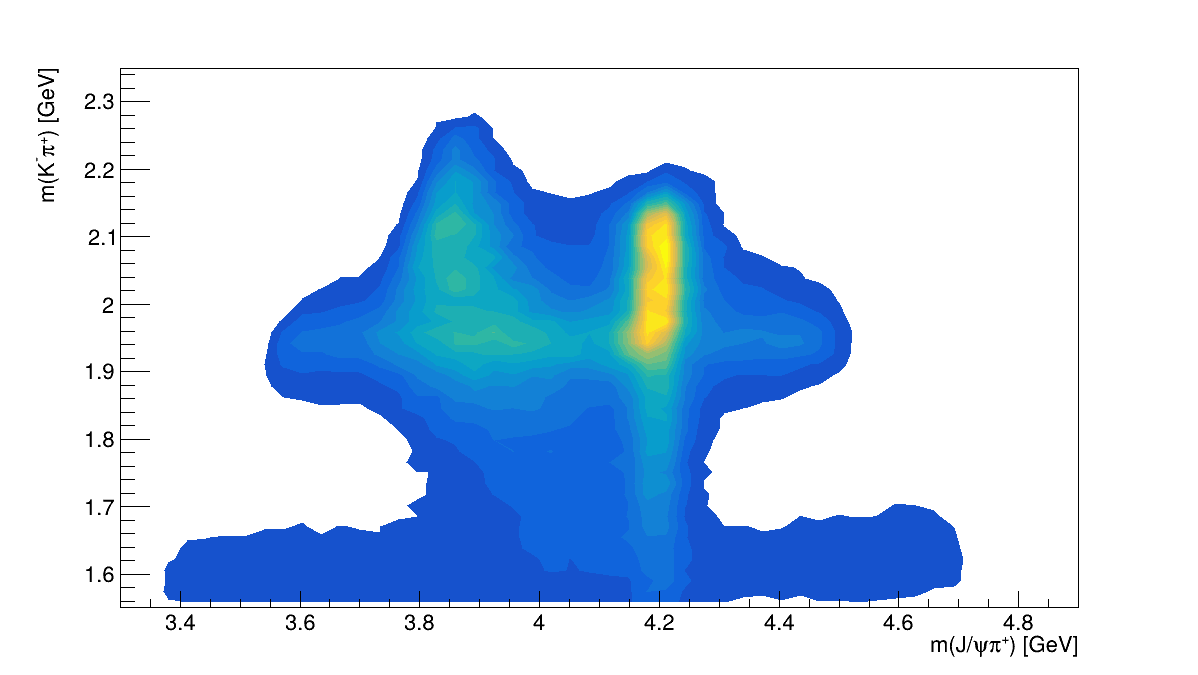
Multivariate amplitude analysis of the cascade particle decays based on the Nearest Neighbors fitting
The Nearest Neighbors estimation of likelihood is implemented for the multivariate amplitude analysis of the cascades of particle decays. In this approach Monte Carlo simulated events that are used to describe data are assigned weights dependent on the parameters of the theoretical fitting model. Each of such weighted events is considered as contributing to N-dimensional probability density function (p.d.f.) in its neighborhood in the parameter space. No analytic p.d.f. or cpu-intensive re-generation of N-dimensional p.d.f. at each fit step are required. The method allows accurate accounting for reconstruction effects, demands modest cpu resources and can be effectively multi-threaded. General setup of the fit as well as toy example of the amplitude analysis of B-meson decays are demonstrated.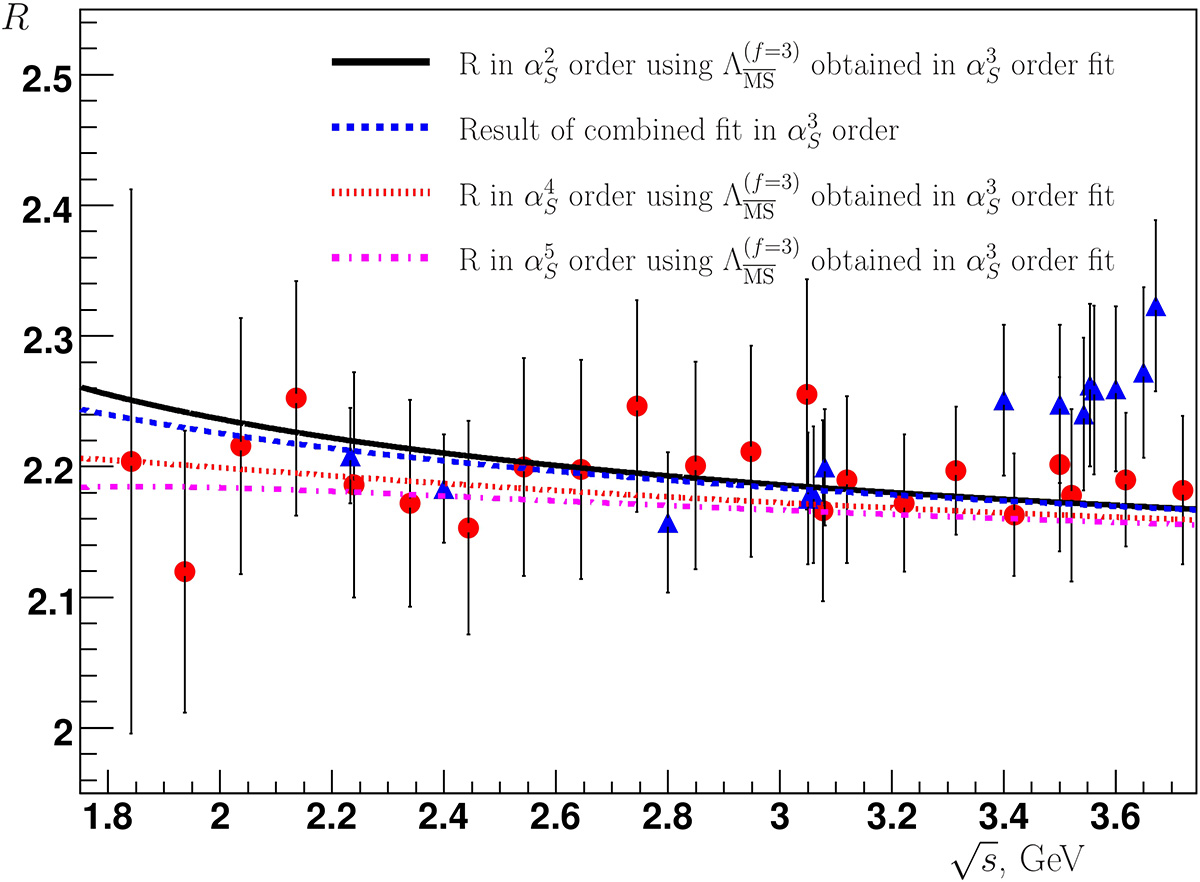
Perturbative QCD fitting of KEDR and BESIII ℯ+ℯ- data for R(s) and αs determination
The experimental data collected by KEDR and BESIII collaborations at the energies below charm quark thresholds are compared with the massless QCD expressions for the \(e^+e^-\) annihilation R-ratio truncated at different orders of perturbation theory. The fits demonstrate the dependence of the extracted \(\alpha_s(M_Z)\) values on the orders of truncation of the corresponding approximations. The next-to-leading order, next-to-next-to-leading order and next-to-next-to-next-to-leading order fits of the combined KEDR data and BESIII data , truncated at the scale of mass of \(J/\Psi\) meson, give the following results \(\alpha_s(M_Z)=0.1151_{-0.0069}^{+0.0052}\), \(\alpha_s(M_Z)=0.1190_{-0.0081}^{+0.0064}\) and \(\alpha_s(M_Z)=0.1283_{-0.0075}^{+0.0028}\). The increasing tendency of fitted \(\alpha_s(M_Z)\) value is associated with the effects of not totally controlled within asymptotic perturbation theory expansions kinematical \(\pi^2\) contributions to R-ratio coefficients due to analytical continuation from the space-like to time-like energy regions. The applications of the fixed orders of perturbation theory expansions and careful treatment of the analytical continuation effects are commented. Corrected: 28 July 2026 (changes have been made in Eqs. (12)–(14) and an expression has been added after them)Supersymmetry at BLTP: Recent progress in two directions
Ten years ago, in a paper [1], a brief historical survey of the research activity in the Sector “Supersymmetry” at the Bogoliubov Laboratory of Theoretical Physics (BLTP) for more than 50 years of its existence has been given. Here, in commemoration of the 70th jubilee of the Joint Institute for Nuclear Research, we review some recent sound advancements in this area. Specifically, we consider the issues of constructing the superfield quantum effective actions in 6 D , N = (1, 0) supersymmetry and off-shell unconstrained superfield formulations of N = 2 higher spins. In both cases, the harmonic superspace approach plays the decisive role. Corrected: 28 July 2026 (the article title was changed, a footnote was inserted in the Introduction, and two references were added)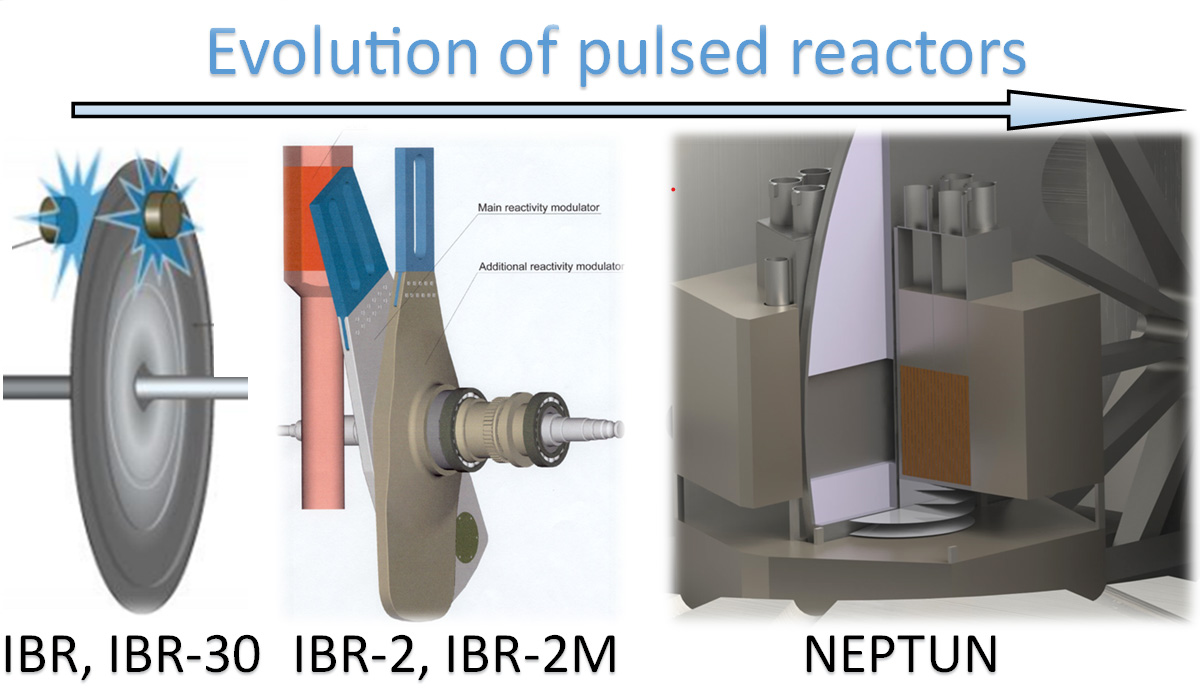
Pulsed fast reactors
In 1960, the world’s first pulsed fast nuclear reactor (IBR) was created at JINR. The second-generation IBR-2 reactor has been in operation since 1984. An analysis of the distinctive characteristics of the IBR-type reactors is presented, the main one of which is related to the instabilities of power fluctuations. A description of the conceptual design of a third-generation NEPTUN reactor is proposed, which solves the problem of instabilities and opens up new possibilities for neutron beam research.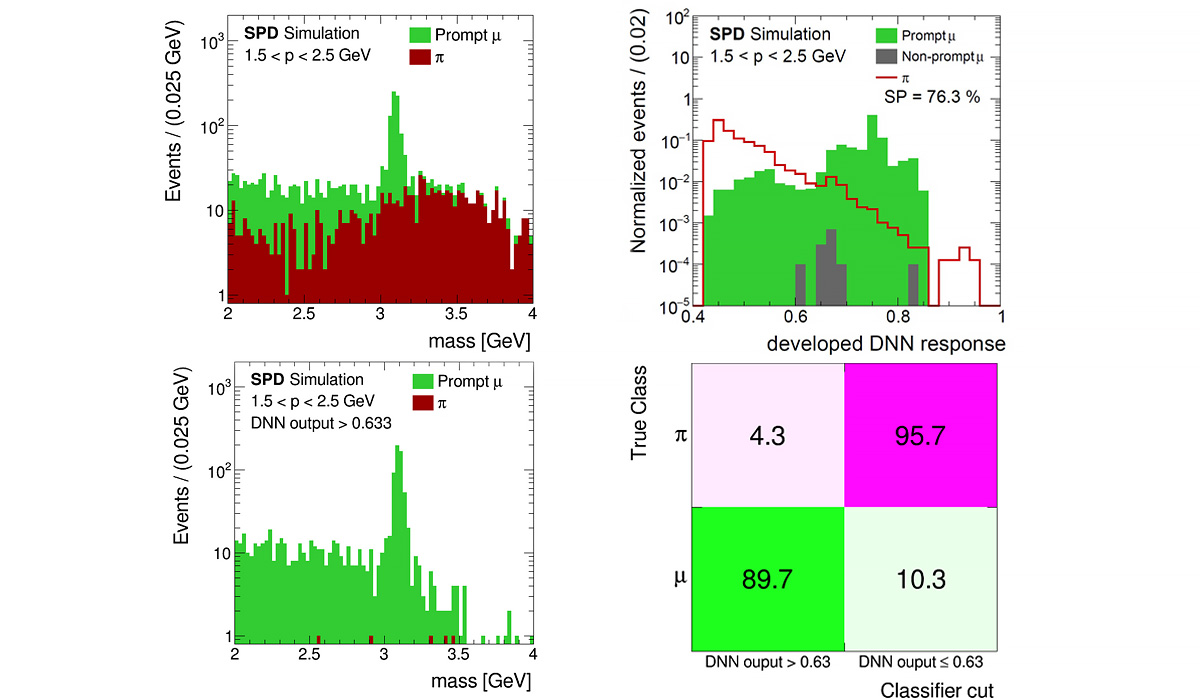
Classification of muon tracks from charmonium decays and pion tracks in the model of the SPD detector using neural networks
The Machine Learning (ML) approaches were applied to particle identification in the simulation of the Spin Physics Detector (SPD) at the NICA Collider. The results of the identification of muon tracks originating from charmonia decays and pion tracks in the intermediate momenta region (1.5–2.5 GeV/c) are presented. The obtained classifier accuracy is 77% while preserving 99% of muons and rejecting 48% of pions. The efficiency of developed binary classifier is demonstrated through background suppression in J/ψ → µµ decays.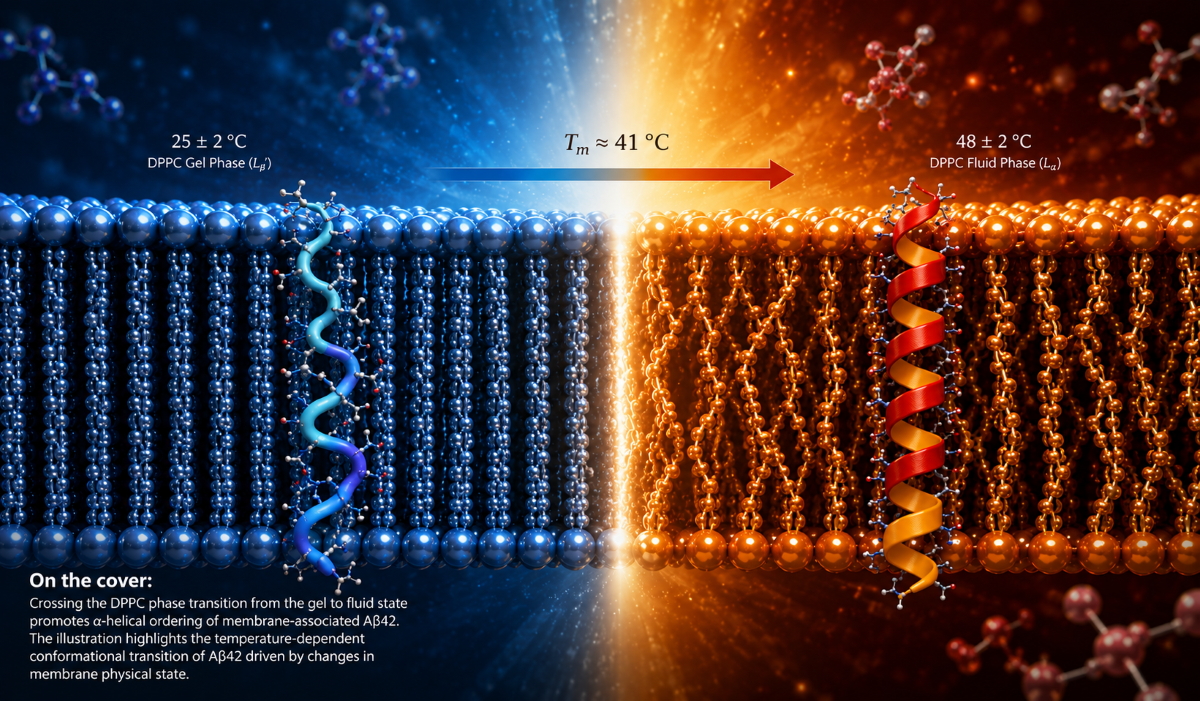
Temperature-dependent conformational changes of amyloid-β42 in DPPC bilayers
The conformational behavior of the amyloid- β 42 (A β 42) peptide is strongly influenced by the physical state of its surrounding lipid environment. The effect of temperature on the A β 42 structure within dipalmitoylphosphatidylcholine (DPPC) bilayers was investigated using circular dichroism (CD), Raman spectroscopy, and molecular dynamics (MD) simulations. The study examined two thermal phases: room temperature (RT =∼ (25±2)◦C), corresponding to the gel phase of DPPC, and (48±2)◦C, representing the fluid phase above the lipid transition temperature . The CD spectroscopy measurements indicated a clear temperature-dependent structural transition of the peptide. At RT, A β 42 exhibited a conformation enriched in β structures, while at (48±2)◦C, the spectra revealed a notable increase in α -helical content, reflecting enhanced backbone organization under fluid-phase conditions. Raman spectral analysis supported this trend by demonstrating an increased contribution of α -helical components accompanied by a reduction in β -strand features upon heating. Minor variations in lipid vibrational markers further suggested greater acyl-chain flexibility and bilayer fluidity in the high-temperature state. Furthermore, MD simulations revealed enhanced α-helical content and deeper peptide insertion within the disordered bilayer compared with the ordered gel phase. The findings from experimental and computational investigations demonstrate that membrane fluidization above the DPPC phase transition favors α-helical stabilization of A β 42, emphasizing temperature as a key parameter governing peptide–lipid conformational equilibria. The results obtained provide a fundamental framework for understanding how thermal conditions modulate amyloid-membrane interactions, which is essential for elucidating the early molecular events associated with amyloid-related pathologies.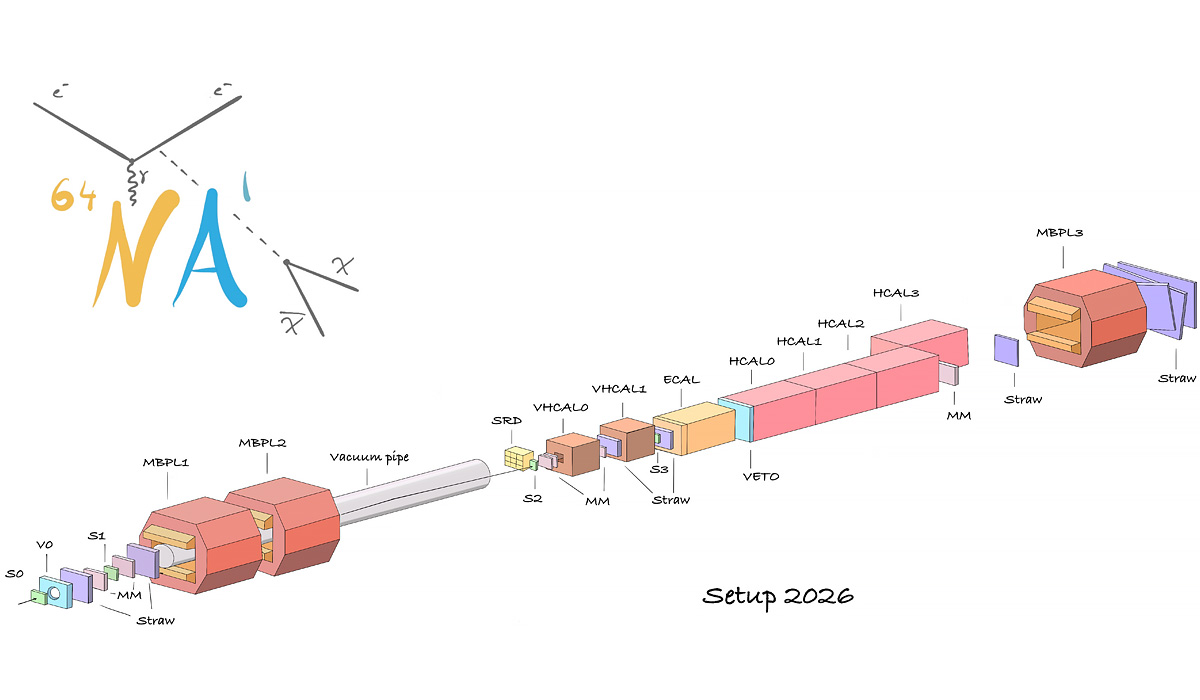
Searching for Light Dark Matter and Dark Sectors with the NA64 experiment at the CERN SPS: et al.
Since its approval in 2016, NA64 has pioneered Light Dark Matter (LDM) searches with electron [1], positron [2], muon [3], and hadron [4] beams. The experiment has successfully met its primary objectives, as outlined in the EPPS input (2018), and even exceed them producing results that demonstrate its ability to operate in a near background-free environment. The Physics Beyond Collider (PBC) initiative at CERN recognizes NA64’s contributions as complementary and worthy of continued exploration. Its key advantage over beam dump approaches is that the signal rate scales as (coupling) 2 rather than (coupling) 4 , reducing the required beam particles for the same sensitivity. To fully exploit the NA64 physics potential, an upgrade during LS3 will enable NA64 to run in background-free mode at higher SPS beam rates. Planned upgrades include (a) improved detector hermeticity with a new veto hadron calorimeter, (b) enhanced particle identification with a synchrotron radiation detector, and (c) increased beam rates via upgraded electronics. With the recently strengthened NA64 collaboration, stable operations and timely data analysis are planned for LHC Run 4. The expected ∼ 10 13 electrons, ∼ 10 11 positrons (40 and 60 GeV), and ∼ 2×10 13 muons on target will allow NA64 to explore new light dark matter regions, with the potential for discovery or conclusive exclusion of many well-motivated LDM models.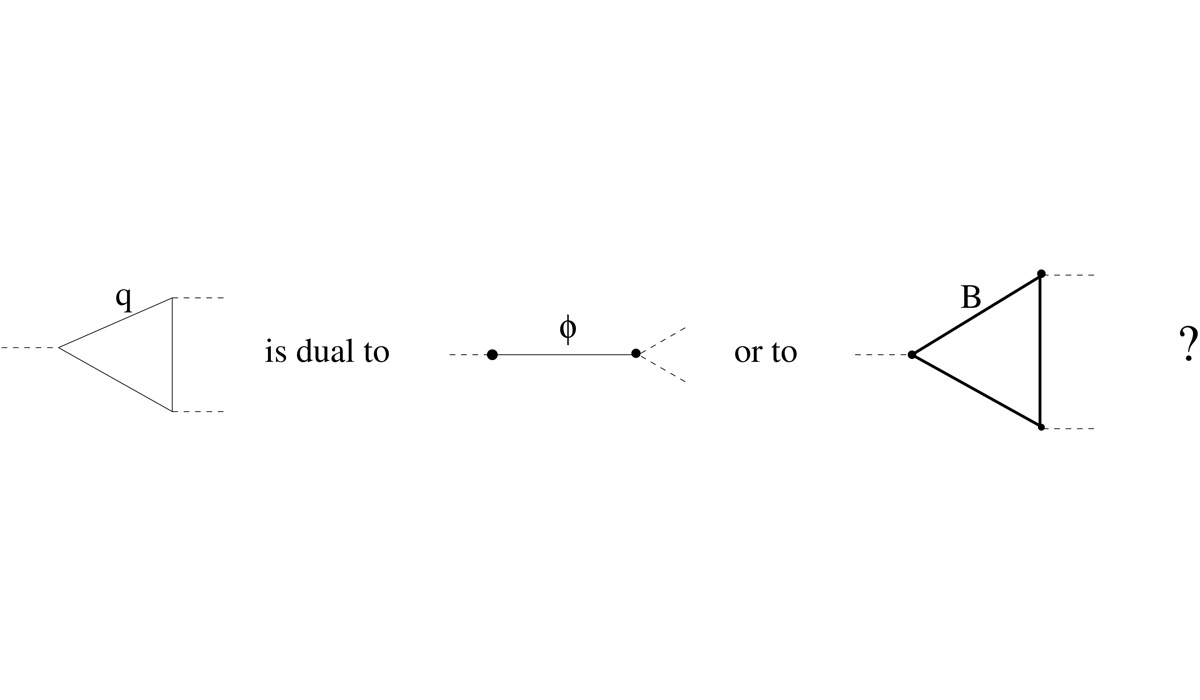
Symmetries of massless QCD
We present a pedagogical review of certain exact theoretical results concerning the physics of an imaginary world where one quark or more are deprived of their masses.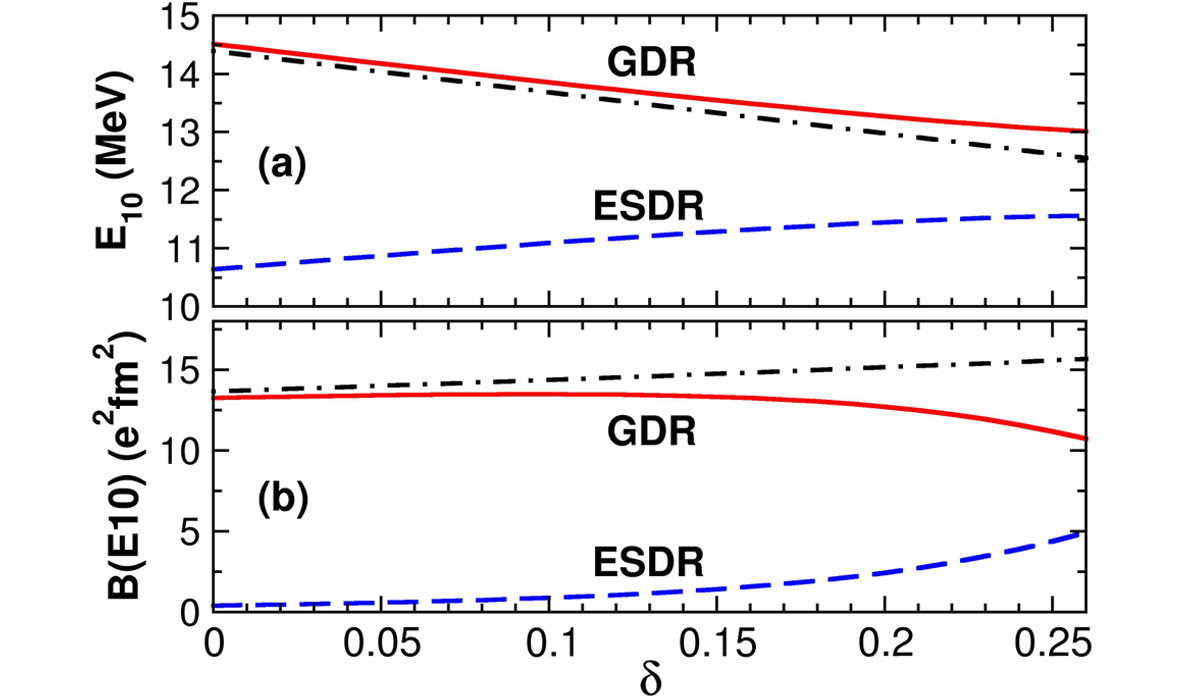
Giant dipole resonance and related spin-dependent excitations
The time-dependent Hartree–Fock equation is solved by the Wigner function moments method taking into account spin degrees of freedom. Energies and reduced transition probabilities of K π = 0 − , 1 − and 2 − excitations are calculated taking 164 Dy as an example. The spin degrees of freedom give rise to the electric spin dipole resonance. Its properties and interplay with the giant dipole resonance are investigated. The deformation-induced splitting of the spin M2 resonance is discussed. The results of calculations are compared with the experimental data and other theoretical studies.
Interactions of exotic neutralino dark matter with nucleons in U (1) extensions of the MSSM originating from E6 GUTs
To ensure anomaly cancellation, the E 6 inspired U (1) extensions of the Minimal Supersymmetric (SUSY) Standard Model (MSSM) involve extra exotic matter. The lightest exotic neutralino in these models can be stable contributing to the cold dark matter density. We consider the interactions of such neutralino with nucleons within a specific extension of the MSSM with an additional U (1) N gauge symmetry (SE 6 SSM). The constraints on the couplings of this state, which are set by the present experimental bounds caused by the direct detection experiments, are examined. The obtained results can be generalised to other E 6 inspired SUSY models with extra U (1) gauge symmetry.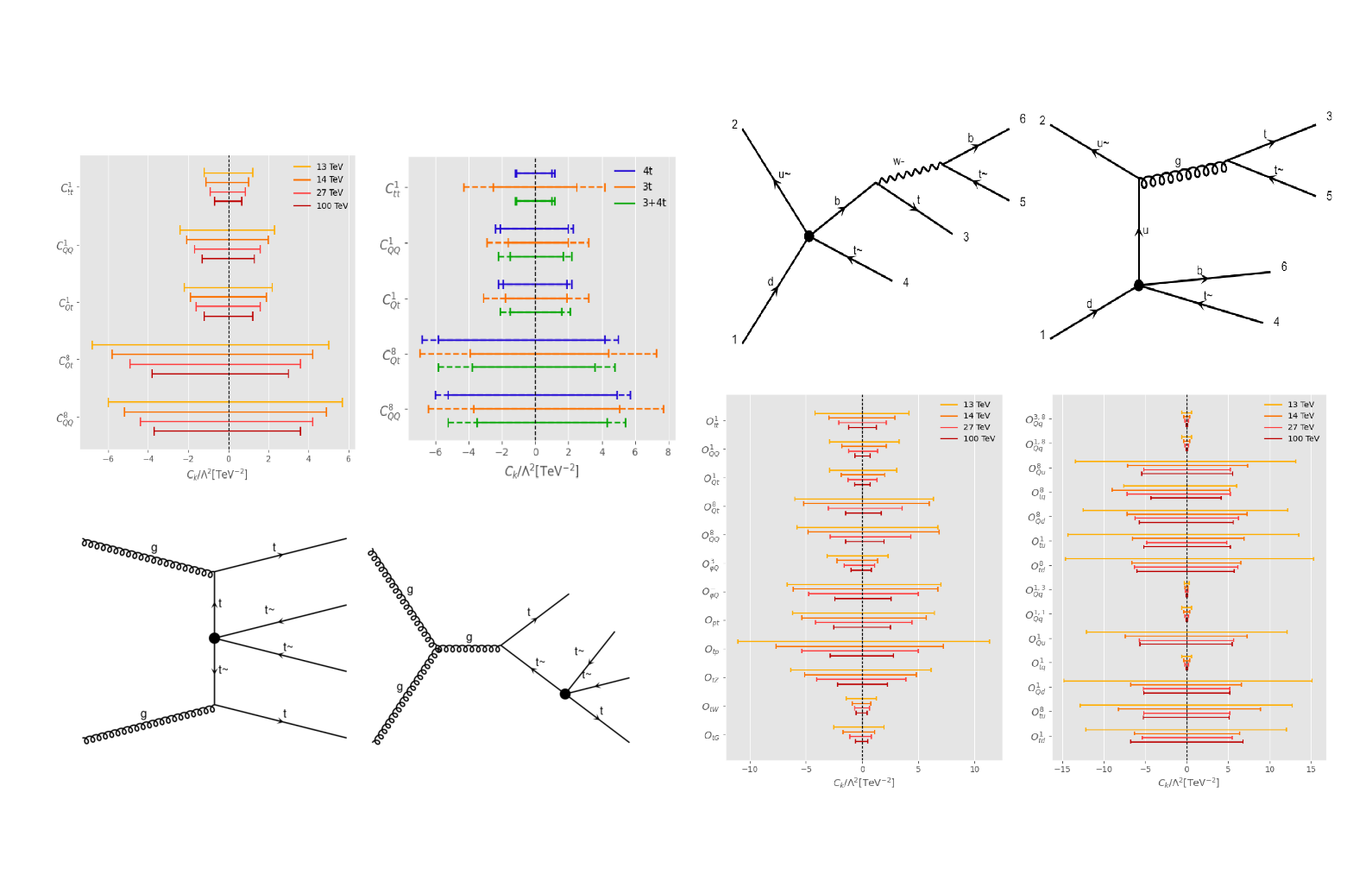
SMEFT operators in rare multi-top processes
Nowadays, the Standard Model Effective Field Theory (SMEFT) provides a standard framework to parameterize potential deviations from the Standard Model and to combine information from multiple processes in global analyses. This review summarizes dedicated studies that constrain dimension-six Wilson coefficients using three top-quark and four top-quark production processes. We highlight the complementarity of these channels, as well as summarize the main problems and prospects in the area. A concise introduction to the SMEFT formalism and a discussion of the problem of potential perturbative unitarity violation are also provided.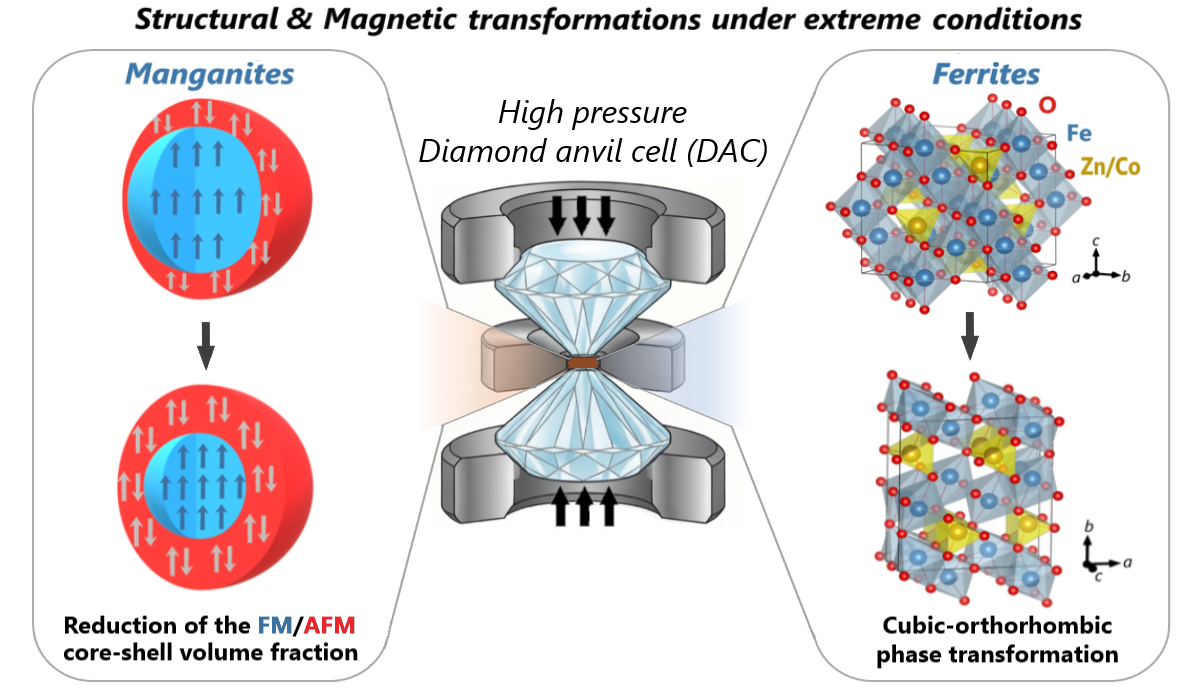
Structural, magnetic states and pressure-induced phenomena in complex nanosized magnetic oxides
The results of the recent investigations of the crystal and magnetic structure of complex nanosized manganese and iron oxides using neutron diffraction, X-ray diffraction and other techniques over a wide range of thermodynamic parameters (temperature and pressure) are considered. In the nanostructured manganites La 1-x Sr x MnO 3 ( x = 0.28−0.47), the coexistence of the ferromagnetic (FM) and A-type antiferromagnetic (AFM) states has been evidenced, implying the production of core-shell nanoparticles with distinctive structural and magnetic properties of ordering of internal and external components. Application of high pressure significantly modifies the ratio of FM and AFM components. For the nanostructured Zn 0.34 Fe 2.53 O 4 ferrite, a distribution of Zn and Fe atoms in the crystal structure, as well as the parameters of crystal and magnetic structures, have been estimated. The oxygen vacancies were detected and their amount was estimated. The gradual transition of the structural phase from the initial cubic spinel phase to the orthorhombic post spinel phase was observed at high pressures in this material, relevant to CoFe 2 O 4 ferrite. In the latter case, the phase transition is also accompanied by suppression of the ordered magnetic moments. Surprisingly, in the most cases, the properties of structural and magnetic states of the studied nanosized manganites and ferrites are notably different from those for the relevant bulk forms of these materials. The microscopic mechanisms responsible for this distinction have been discussed in detail. Corrected: 24 April 2026 (the incorrect order of the authors and the affiliation of one of them were corrected)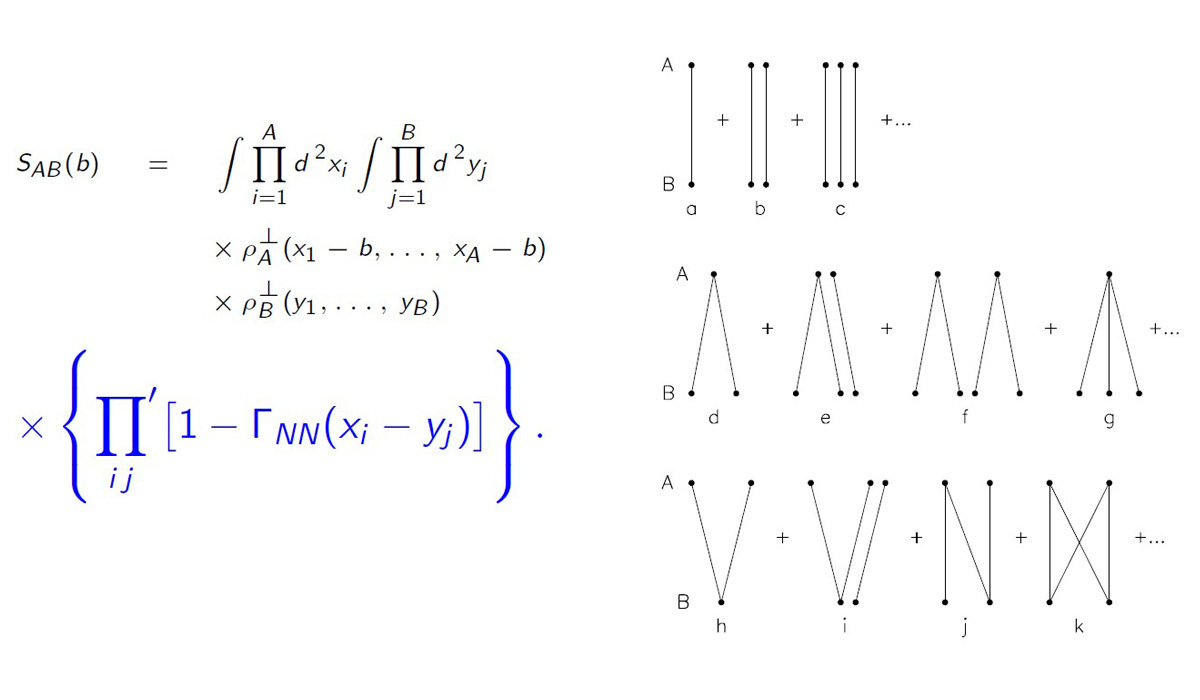
Nucleus scattering on 12C and 27Al targets in the complete Glauber theory
The straightforward calculations of the nucleus–nucleus scattering cross sections are carried out in Glauber approach using the generating function method. It allows for the resummation of all orders of Glauber theory. The results are obtained for a number of light nuclei isotopes scattering on 12 C and 27 Al targets. Their radii, extracted by comparing the calculated cross sections with the experimental ones, are presented.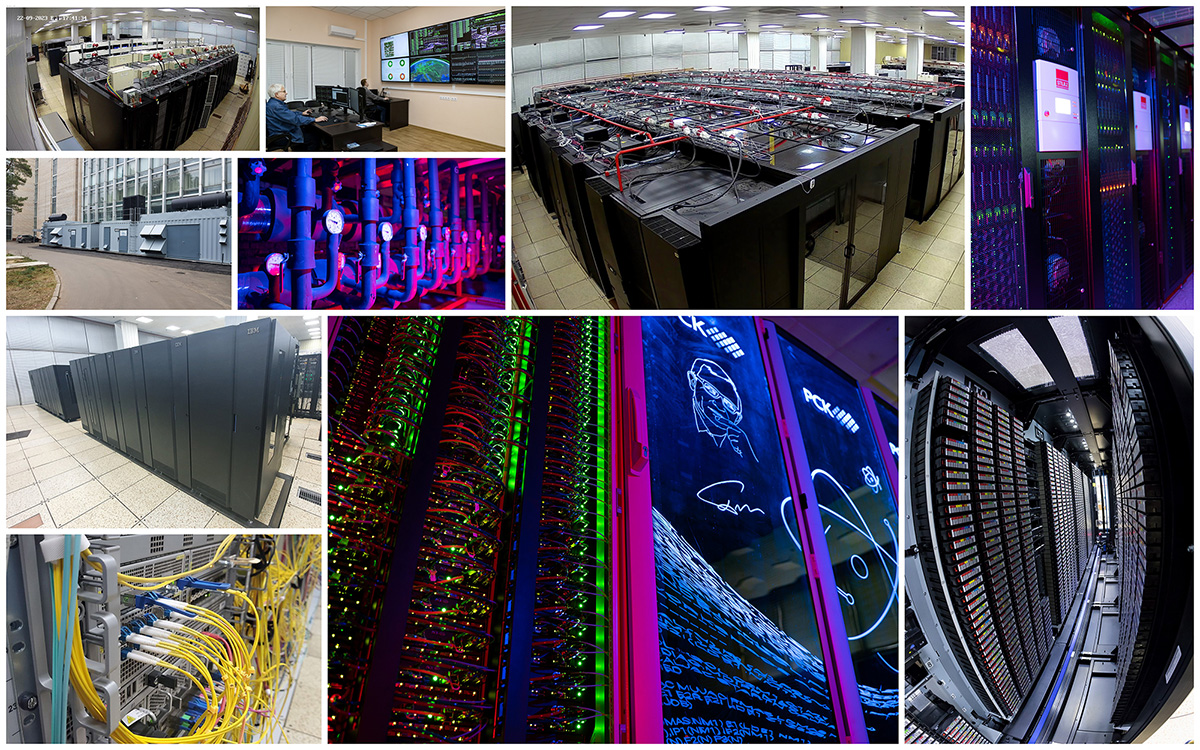
Multifunctional Information and Computing Complex of JINR
The Multifunctional Information and Computing Complex (MICC) of the JINR Meshcheryakov Laboratory of Information Technologies (MLIT) is a key element of the JINR network and information and computing infrastructures. The MICC is regarded as JINR’s unique basic facility and plays a decisive role in scientific research, which entails advanced computing power and storage systems. Its uniqueness is ensured by the consolidation of all state-of-the-art information technologies for data processing and storage, united by the network infrastructure with a bandwidth of up to 4 × 100 Gbps. It consists of distributed data processing and storage systems based on both grid and cloud technologies and the hyperconverged computing infrastructure with liquid cooling. Multifunctionality, high reliability, and availability in 24 × 7 × 365 mode, scalability and high performance, information security and an advanced software environment are the main requirements that the MICC meets. The reliability and availability are ensured by the enhanced high-speed telecommunication system and the modern local network infrastructure, as well as by the reliable engineering infrastructure that provides guaranteed power supply and cooling for server hardware. This infrastructure is a staple for computing the experiments at the NICA accelerator complex. The BM@N, MPD, and SPD experiments intensively use all computational components and storage systems. Being part of the Worldwide LHC Computing Grid, the MICC serves as the Tier1 grid site for the CMS experiment at the LHC and as the Tier2 grid site that provides support for the experiments at the LHC and other world’s large-scale experiments in high-energy physics. The integrated cloud environment of the JINR Member States focuses on supporting users and experiments in Russia, China, the USA, etc. (e.g., NICA, NOvA, BaikalGVD, JUNO). The HybriLIT platform comprising the Govorun supercomputer provides capabilities for elaborating mathematical models and algorithms and performing resource-intensive computations, including on graphics accelerators that enable the development of the ecosystem for machine and deep learning tasks, Big Data analysis, and quantum computing on simulators.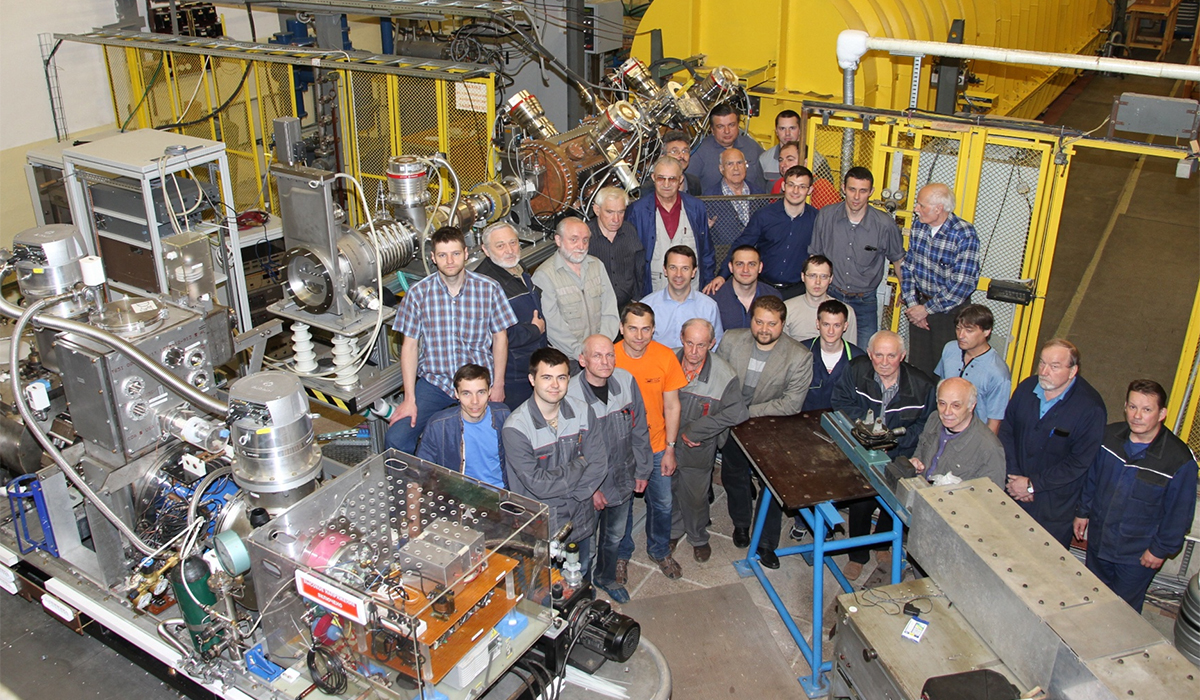
Synchrophasotron and Nuclotron Equipment for Investigation of Polarization Phenomena
The development of the unique cryogenic source of polarized deuterons, POLARIS, in the late 1970s was very fruitful and significantly enhanced JINR’s instrumental base for studies of nucleon-nucleon interactions as well as interactions of lightest nuclei with heavier nuclei. Experimental data on polarization-dependent effects, obtained at the Synchrophasotron and the Nuclotron, significantly influenced the worldwide understanding of strong interactions between hadrons as well as the structure of lightest nuclei (the deuteron, first of all) at short inter-nucleon distances. Experiments with polarized deuteron, proton and neutron beams at intermediate (several GeV) energies resulted in creation of wide collaborations between VBLHEP of JINR and other world centers (in the USSR and Russia, France, the USA, Germany, Japan, China). Many new and unexpected experimental results were obtained by those collaborations. In particular, many new unique results were obtained for the nucleon electromagnetic formfactors of nucleons, thanks to results of works within the ALPOM/ALPOM2 project. In addition, new ways became opened for experimental investigations with polarized 3 He beams. In this direction, new unique results were obtained. The necessary developments of the techniques for the spin program at the Nuclotron/NICA are discussed in the paper.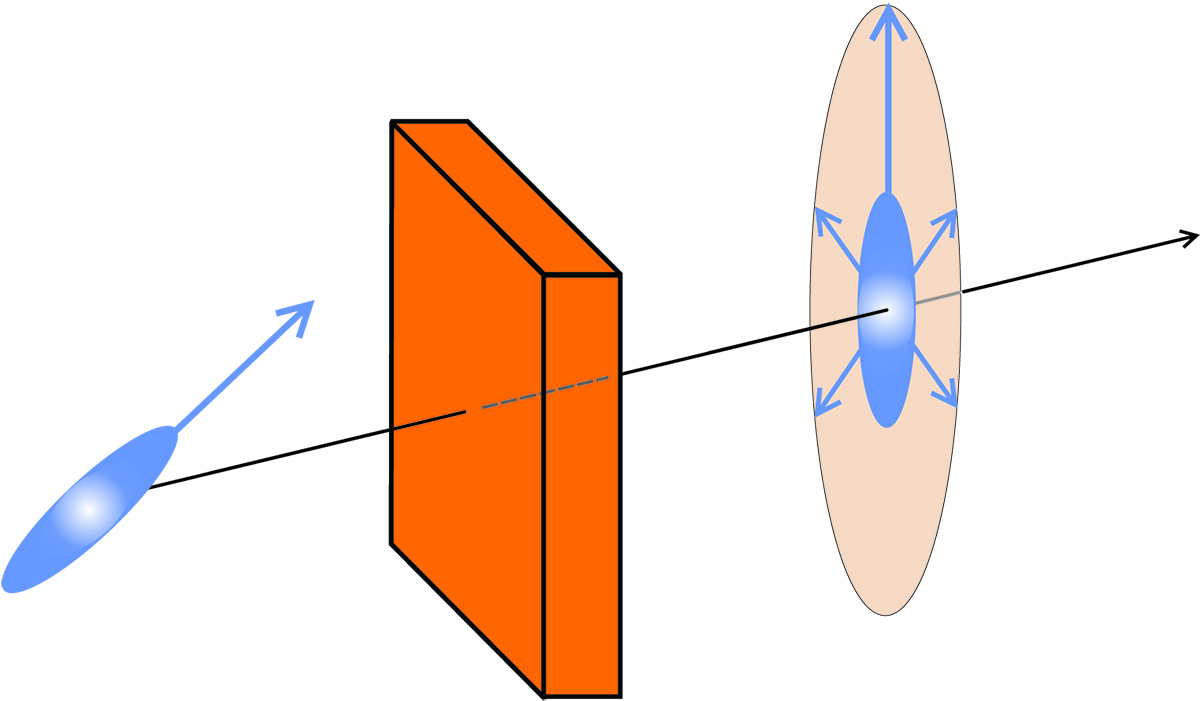
High Energy Nuclear Optics of polarized nucleons and nuclei: research at the Nuclotron-M/NICA complex
Refracton of particles (nucleons, nuclei, γ -quanta) in matter with polarized protons (nuclei) results in revealing coherent quasi-optical phenomenon of nuclear spin precession of particles (nuclei) in the pseudomagnetic field of matter with polarized spins and the phenomenon of birefringence of particles (nuclei) with spin S ⩾ 1. These phenomena can be observed and studied at the Nuclotron-M/NICA complex. The similar effects for γ -quanta could be observed at the LINAC accelerator.Quasi-optical coherent phenomena of spin rotation and dichroism are not caused by strong interactions only, the T-odd P-odd, T-odd P-even, and T-even P-odd interactions also contribute. Limits on the values of these contributions at the energies available at the Nuclotron-M/NICA complex can be obtained by investigating all these phenomena. When studying polarized particle collisions, it is necessary to consider possible influences of quasi-optical phenomena of spin rotation and spin dichroism caused by nuclear precession and birefringence.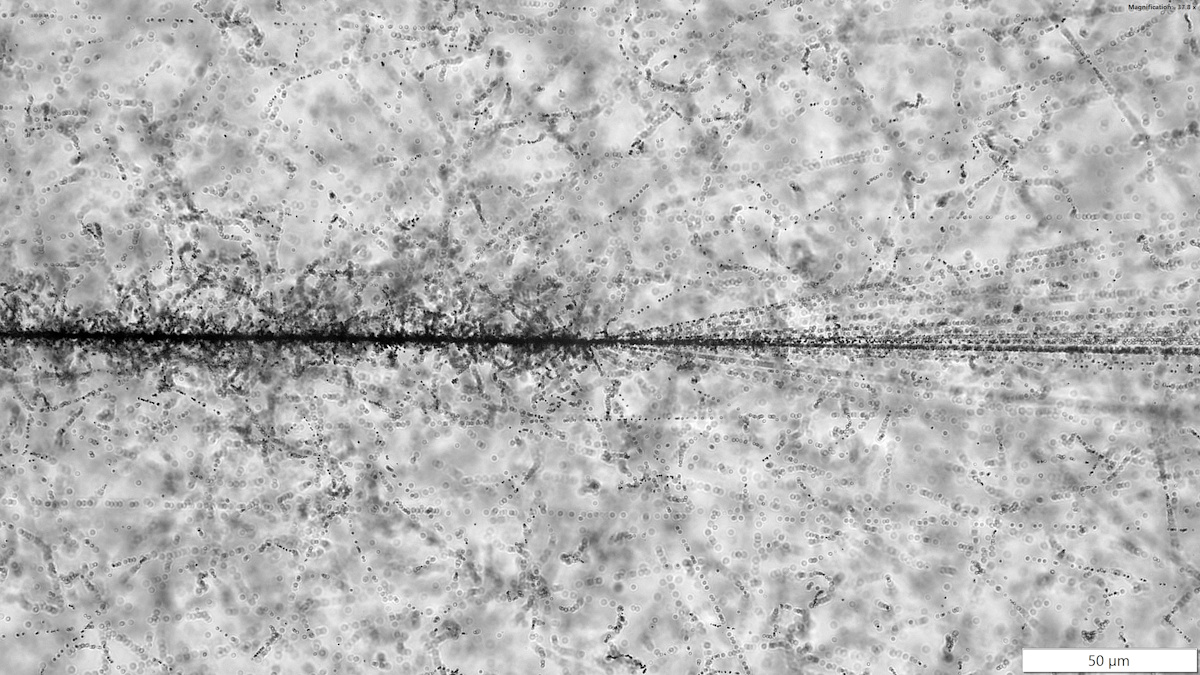
The 8Be nucleus and the Hoyle state in dissociation of relativistic nuclei
Having become observable since the pioneering era of cosmic ray physics fragmentation, the events of relativistic nuclei in nuclear emulsions highlight the potential of this method to study extremely cold ensembles of H and He nuclei, thereby advancing the physics of nuclear clustering and, potentially, expanding nuclear astrophysics. Following the presentation of the progress of this method and orientation to the current problems, this review presents the key results and generalizations of the BECQUEREL experiment at JINR, obtained in the study of unstable nuclear states in the relativistic dissociation of a wide variety of nuclei. The productivity of this method is ensured by record-breaking spatial resolution and full sensitivity to relativistic fragments. According to invariant masses based on the most accurate measurements of emission angles in the extremely narrow fragmentation cone, the contributions of the decays of 8 Be(0 + ), 8 Be(2 + ), 9 Be(1.7), 9 B, 6 Be, 12 С(0 + 2 ) or the Hoyle state and 12 C(3 – ) have been identified now. The increase in the contribution of 8 Be(0 + ) with the multiplicity of accompanying α-particles, followed by 9 B and 12 C(0 + 2 ), has been established. The structure of these states and the diversity of parent nuclei without the influence of the initial energy assume the coalescence of α-particles and nucleons which appear in dissociation. The initial density and duration of the secondary interaction of the latter may be sufficient up to the lowest-energy fusion reactions. Such a scenario requires low-energy physics concepts to interpret the relativistic fragmentation. The usage of automated microscopy for the analysis of irradiation beams from the JINR NICA accelerator complex becomes a modern basis to apply the nuclear emulsion method which has become fundamental in the physics of the micro-world.
Optical transmittance of silica aerogel
This paper presents the investigation of aerogel Cherenkov radiation detectors and the optical characterization of aerogel samples within the framework of the SPD experiment at the NICA accelerator complex, which is under construction at the Joint Institute for Nuclear Research (Dubna, Russia). The transmittance of aerogel samples was measured at the A. Alikhanyan National Science Laboratory (AANL) (Yerevan Physics Institute). Longitudinal transmittance measurements were performed for two distinct aerogel samples. Data analysis and visualization of results were carried out using the OriginPro 8.5 and ROOT software packages. The obtained results were compared with analogous studies performed at other research centers in order to evaluate the reliability, consistency and accuracy of the measurements.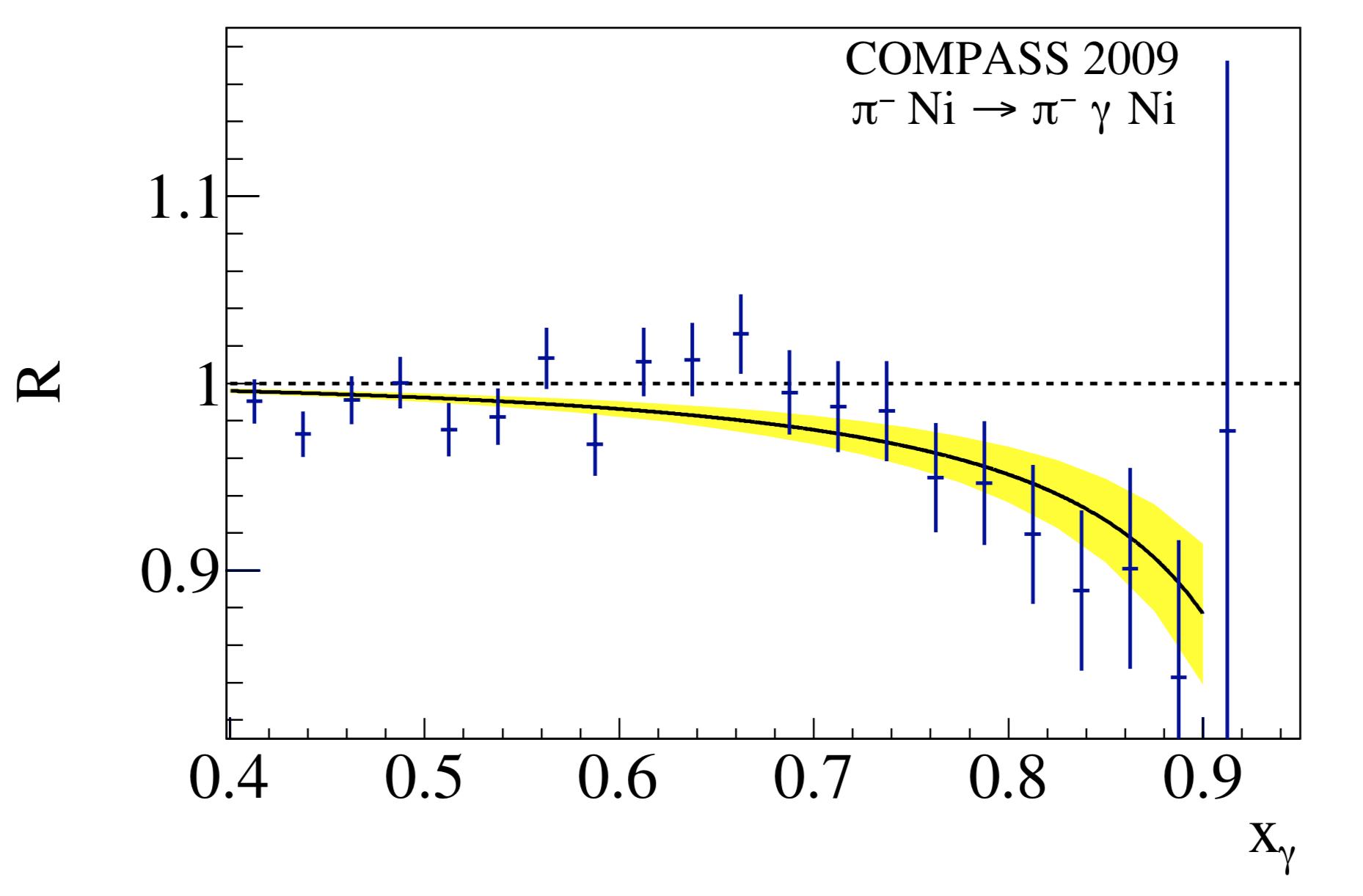
Study of low-energy QCD in meson reactions with the Coulomb field of atomic nuclei
This paper reviews the development of theoretical and experimental studies of low-energy QCD parameters starting from early investigations at the JINR Laboratory of Theoretical Physics and ending with modern measurements at CERN. We summarize the historical background and the pioneering theoretical approaches used at JINR to calculate meson parameters in various hadronic models which have laid the foundation for the experimental proposal to investigate the pion polarizability via radiative scattering off nuclei. The first observation of the Compton effect on the pion and the first measurements of the charged pion polarizability and the γ → 3 π constant performed with the U-70 accelerator are discussed as key milestones enabling quantitative studies of the meson structure and highlighting their impact on the low-energy QCD phenomenology. Continued advances in theoretical predictions have underscored the need for higher-precision experimental data and motivated new measurements carried out with pion beams in the COMPASS experiment at CERN. Finally, we outline the prospects for future studies within the AMBER experiment where kaon beams will enable a precision determination of kaon polarizabilities and related low-energy constants further advancing our understanding of dynamics of the strong interaction.
ZFITTER: Theoretical calculations and precision tests of the Standard Model
The development of the ZFITTER computer code is described in the context of high-precision tests of the Standard Model during the LEP era. The features of the code that allowed it to become a standard tool for the theoretical interpretation of electroweak observables are analyzed. Prospects for further development of ZFITTER and its contribution to research projects at future electron–positron colliders are discussed. Numerical illustrations are provided of the effects of parameter shifts and the addition of new results for higher-order radiative corrections.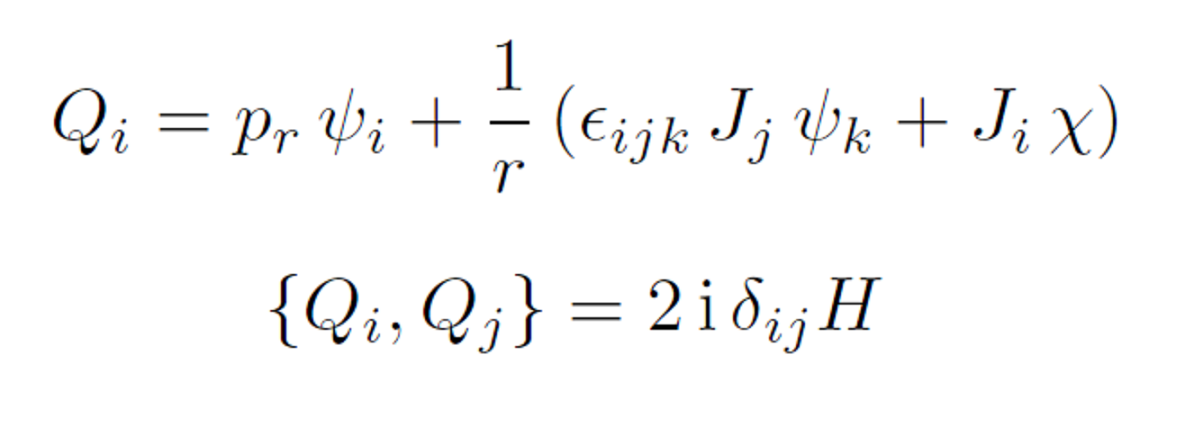
New variants of N = 3, 4 superconformal mechanics
We construct superconformal mechanics with N = 3 and N = 4 supersymmetries that were inspired by analogy with the supersymmetric Schwarzian mechanics. The Schwarzian, being another system with superconformal symmetry, provides insight into the field content of supersymmetric mechanics, most notably, on the number and properties of the fermionic fields involved. Adding more fermionic fields (four in the N = 3 case and eight in the N = 4 case) made it possible to construct systems possessing maximal superconformal symmetries in N = 3 and N = 4, namely osp (3|2) and D (1, 2; α ). In the case of N = 4 supersymmetry, we explicitly construct a new variant of N = 4 superconformal mechanics in which all bosonic subalgebras of the D (1, 2; α ) superalgebra have a bosonic realization. In addition, the constructed systems involve the so (3) currents whose parameterization is not fixed, which allows one to consider different underlying geometries.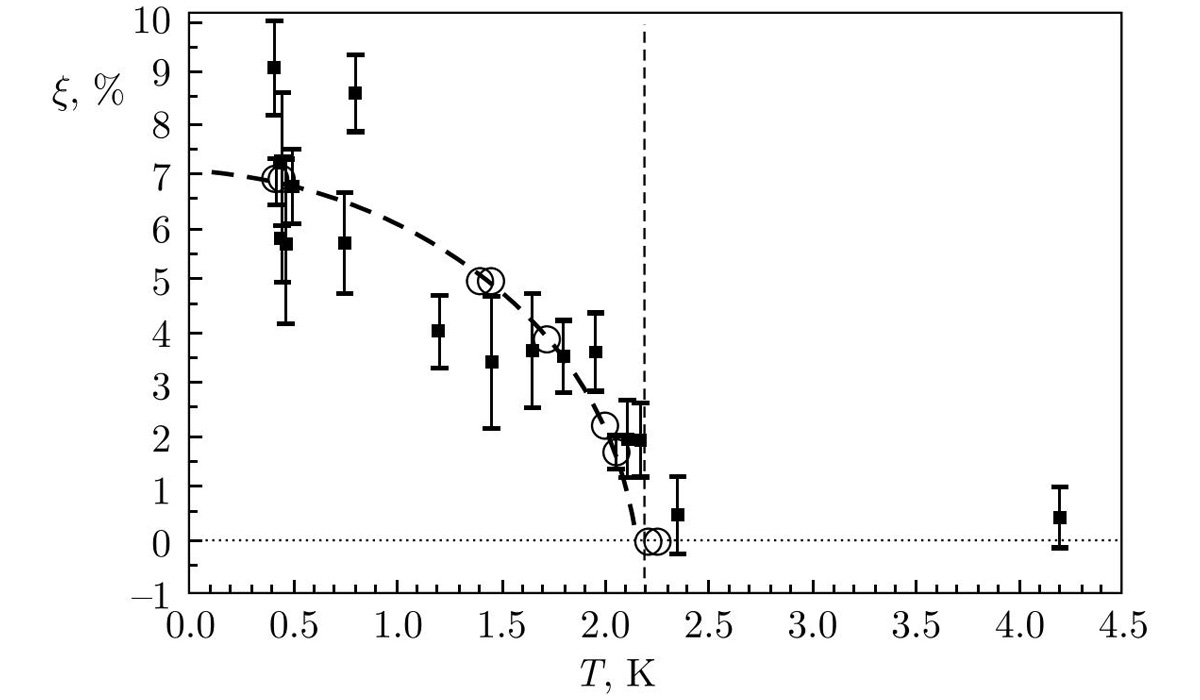
A century of the Bose–Einstein condensation concept and half a century of the JINR experiments for observation of condensate in superfluid 4He (He II)
This short review is devoted to the celebration of two major events in quantum physics. The first one is the birth of the concept of Bose–Einstein condensation (1925) and the second is the experimental proof that it does exist and appears in liquid 4 He simultaneously with superfluidity below the λ-point (1975). Both of these events are tightly related to the Bogoliubov theory of superfluidity (1947). The existence of condensate in the system of interacting bosons is the key ansatz of this theory. Therefore, the experiments started at JINR-Dubna in 1975 confirmed this prediction of the Bogoliubov theory that superfluidity of liquid 4 He (He II) should emerge at the same time as the Bose–Einstein condensation. Corrected: 13 November 2025 (the captions to Figures 1 and 2 were changed) 26 November 2025 (changes were made in formulas (53) and (55))